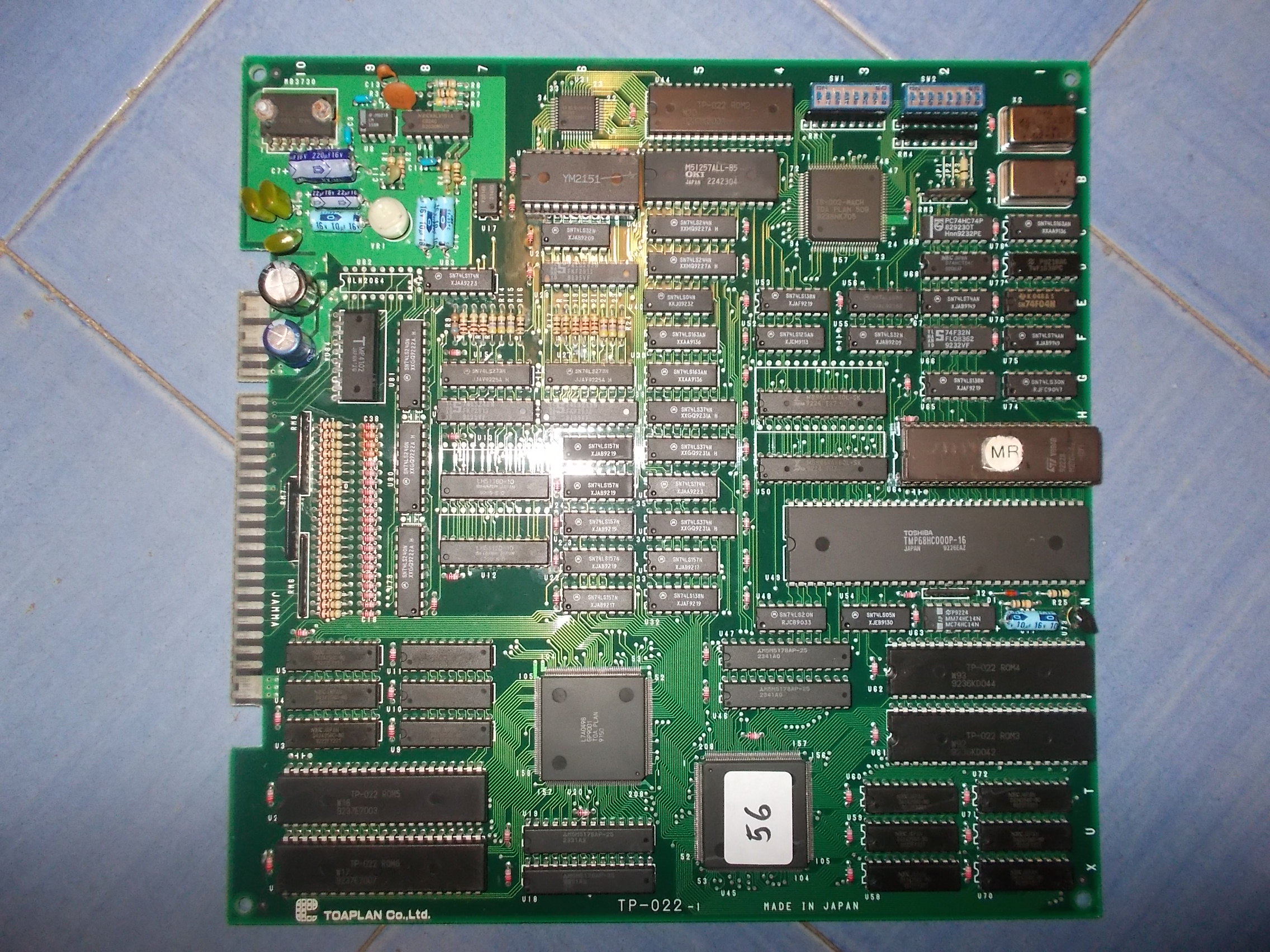
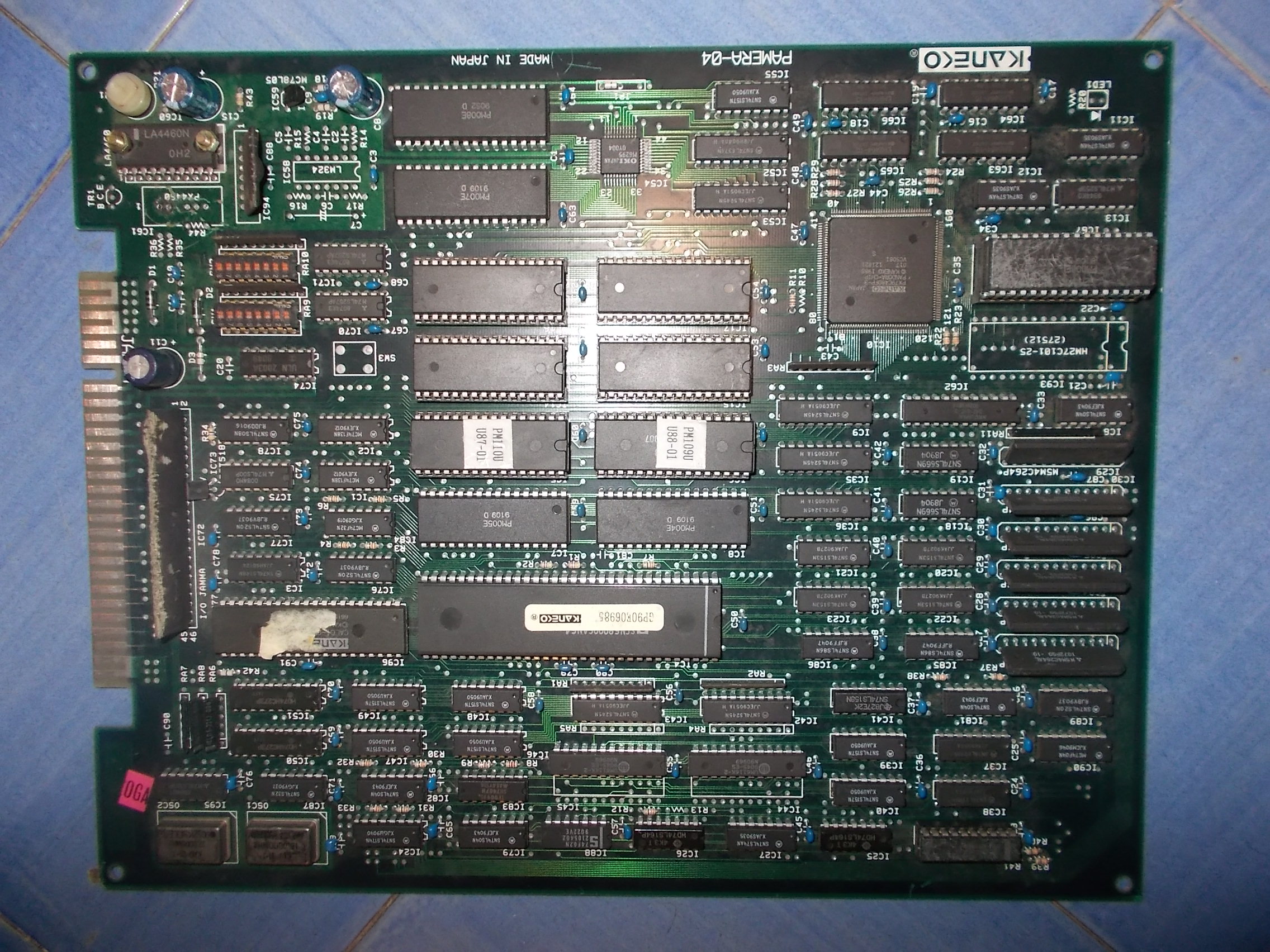
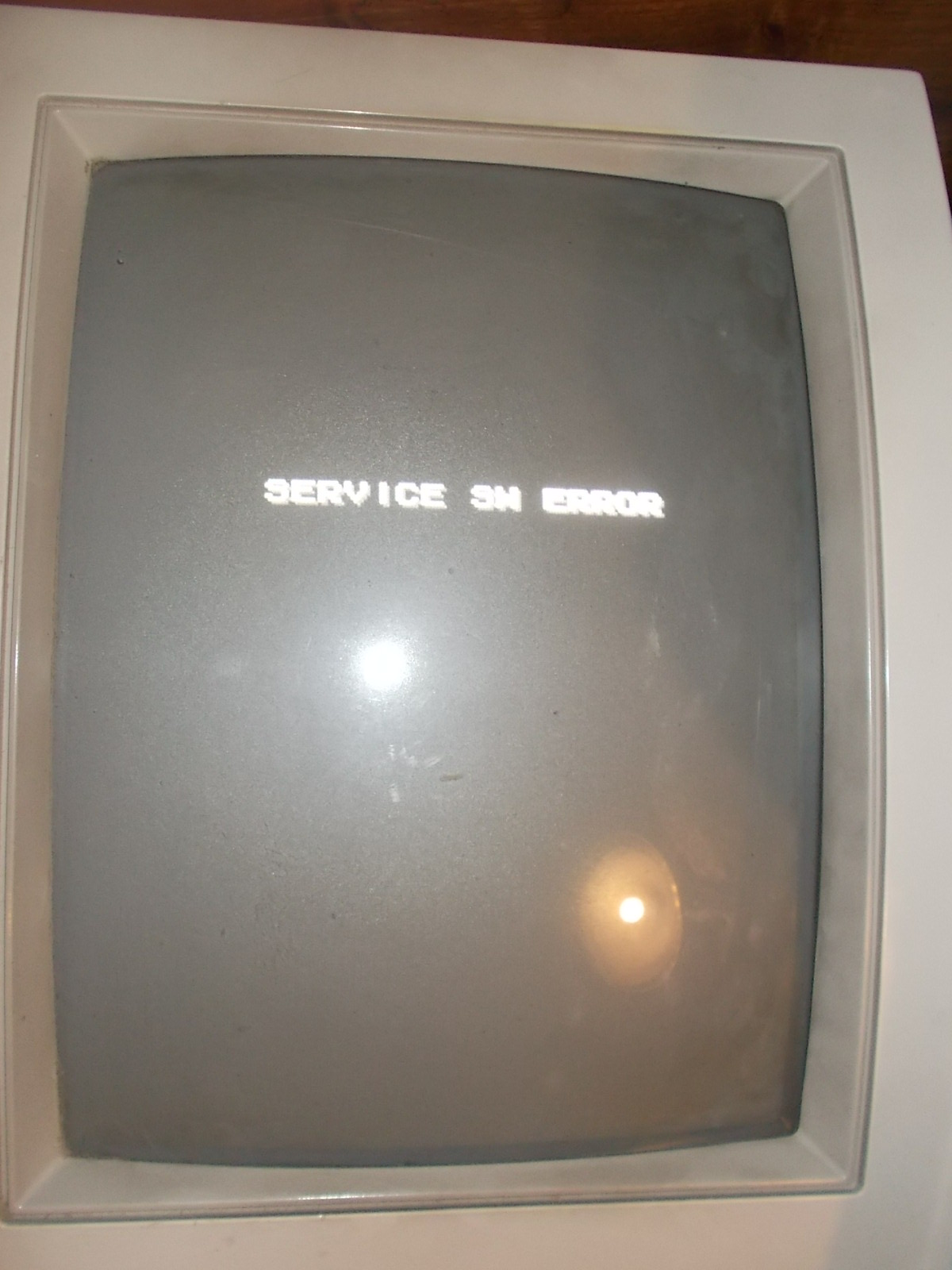
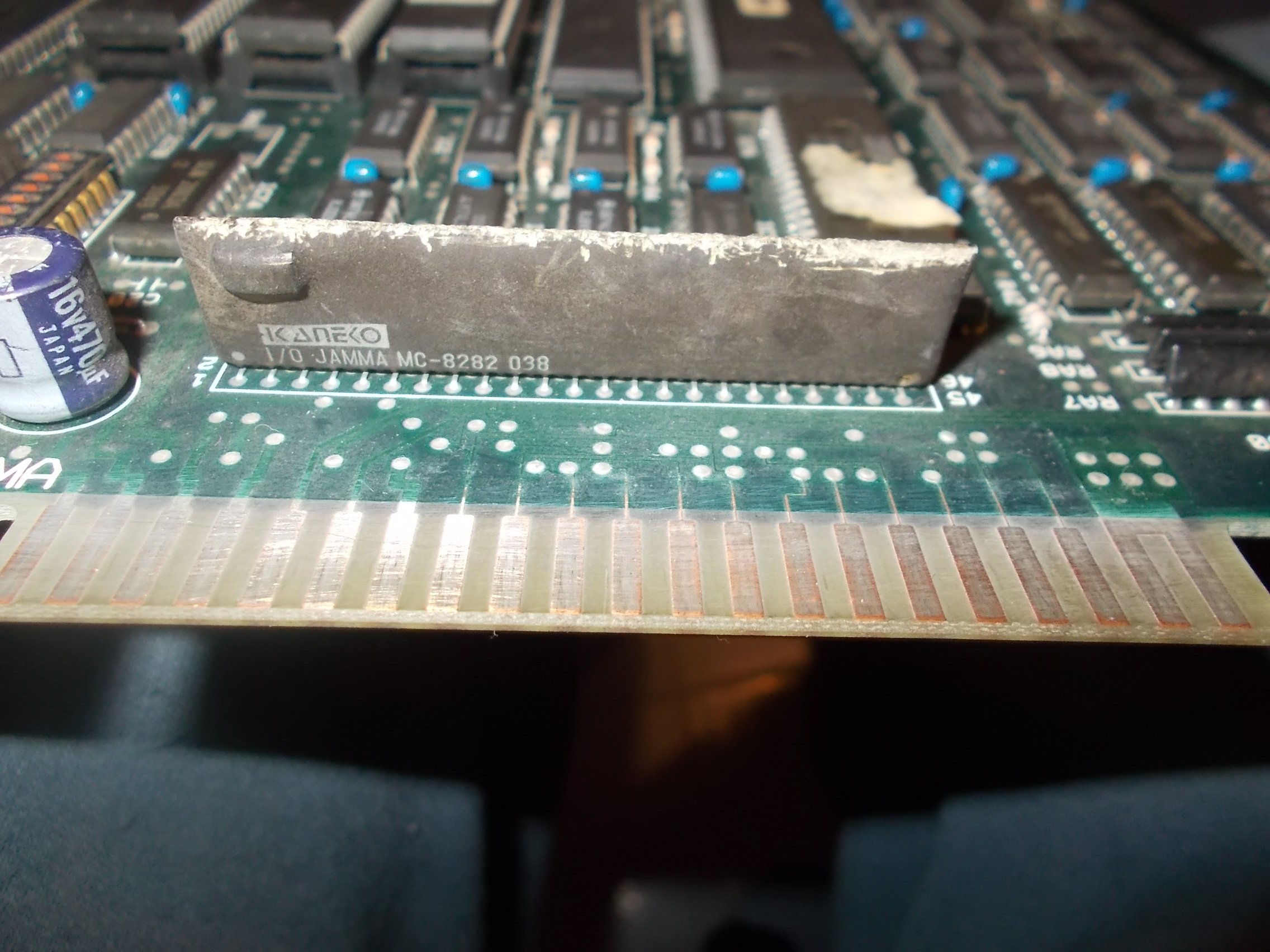
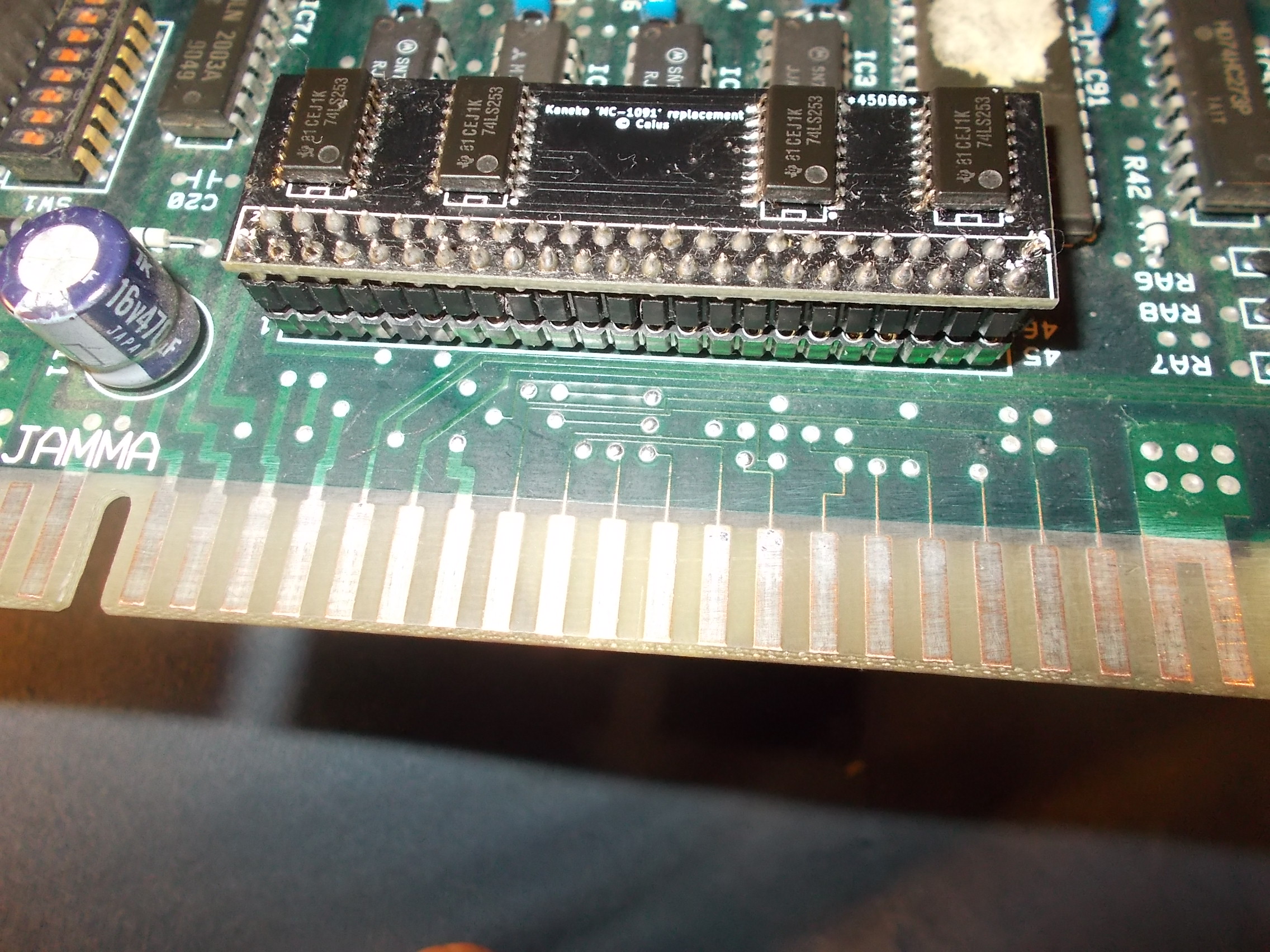
Got from Portugal another Dogyuun PCB (after the one of some months ago), this was declared as ‘dead’ by the owner :
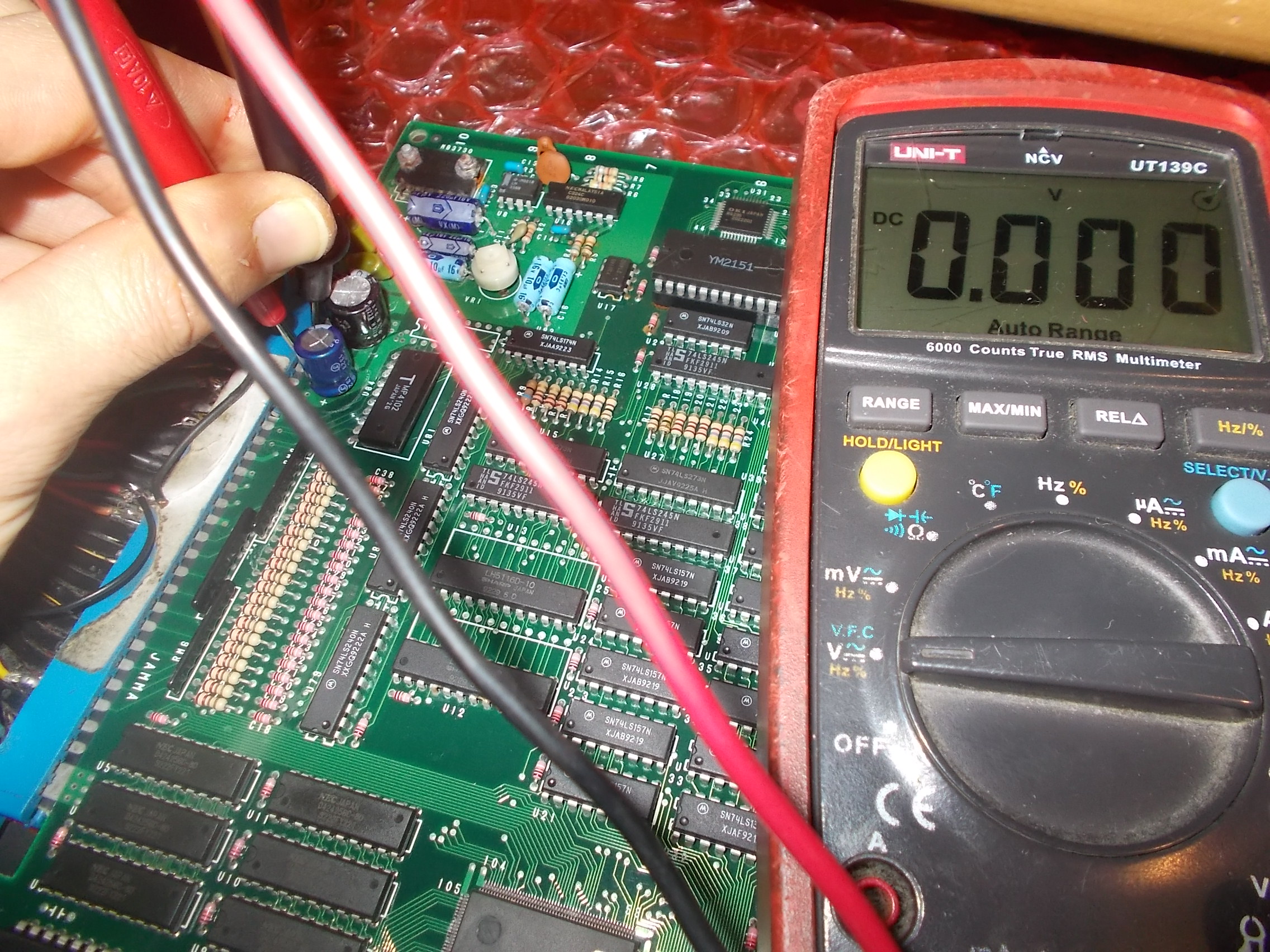
And it was so.All I got was a steady black screen, no activity on board, no clock on 68000 main CPU.I checked voltages on edge connector and there was no +5V so the board was actually not powered :
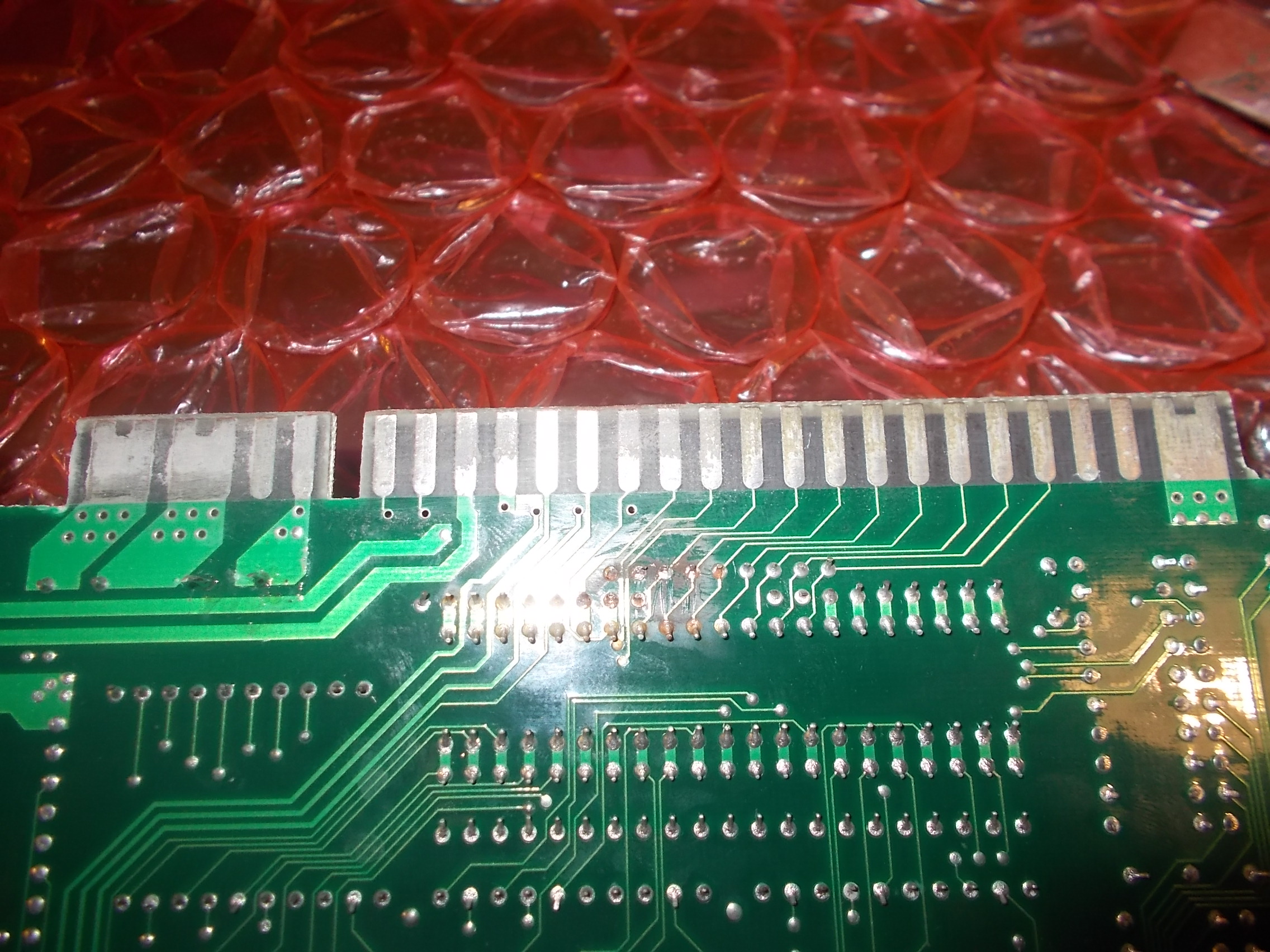
A quick inspection revealed corrosion on edge connector:
Once cleaned it the board booted and played fine but sound samples were muffled and some static noise was present :
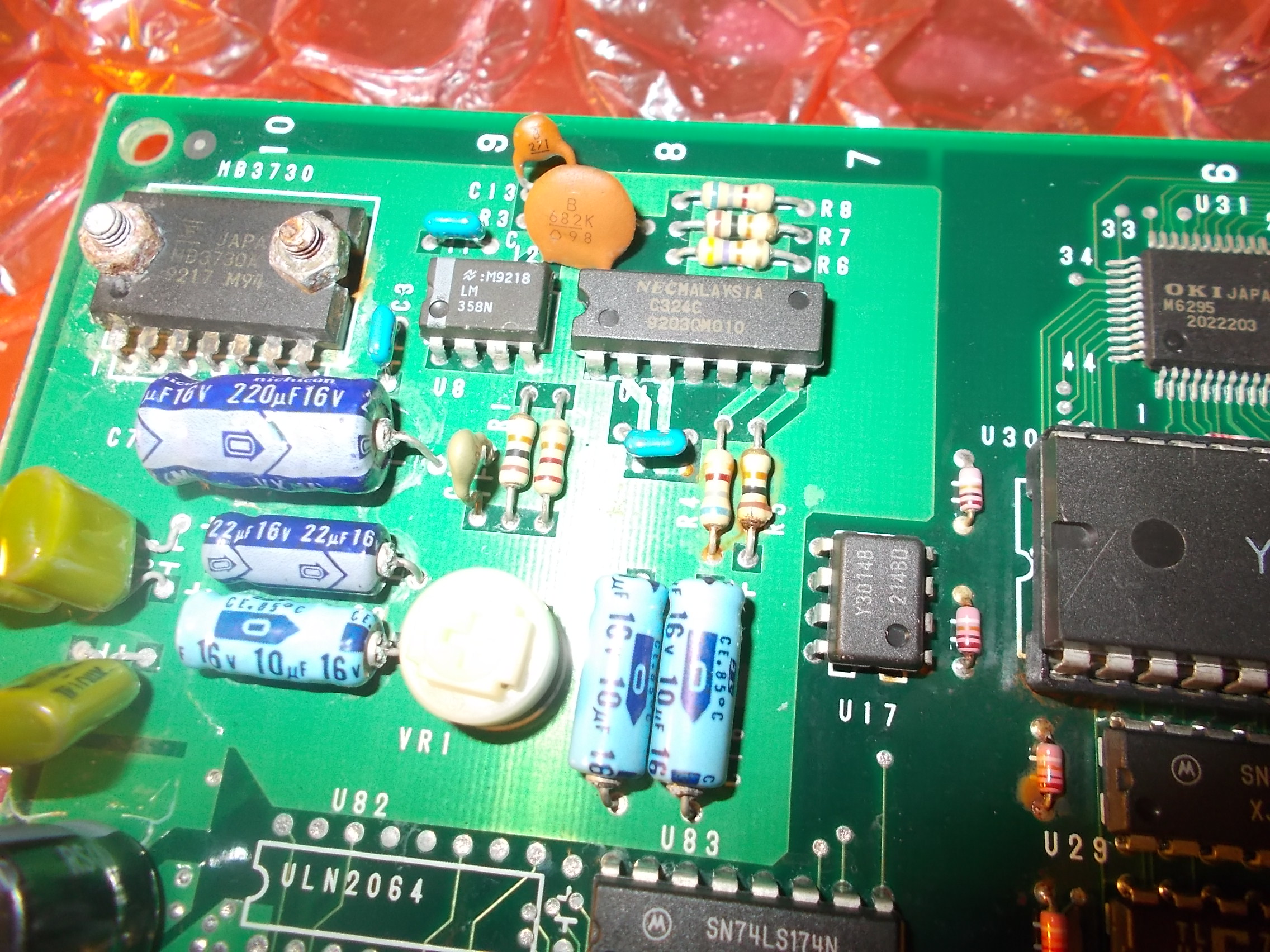
Some sign of electrolytic capacitor leaking was present on sound section :
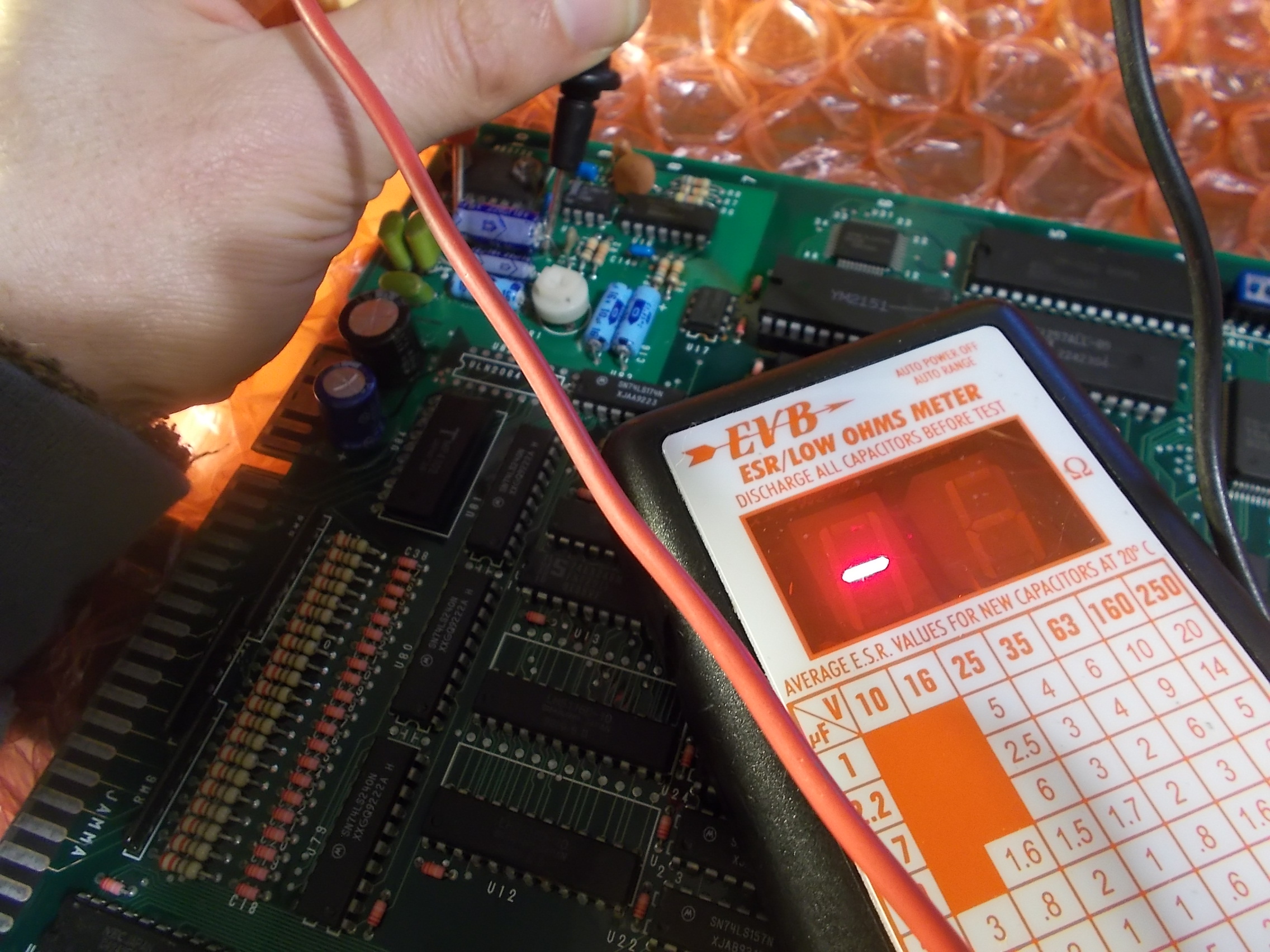
I fired up my ESR meter and started measuring capacitors.A couple of them, the 220uF 16V @C7 and the 10uF 16V @C9, gave no reading so out of range of my meter (0-99 Ohm)
I replaced them, this restored clear sound.No other issue were found so board 100% fixed.
PCB Repair Logs, ReproductionsComments Off on Teenage Mutant Hero Turtles repair log #5 and Konami ‘007340’ reproduction
Mar182018
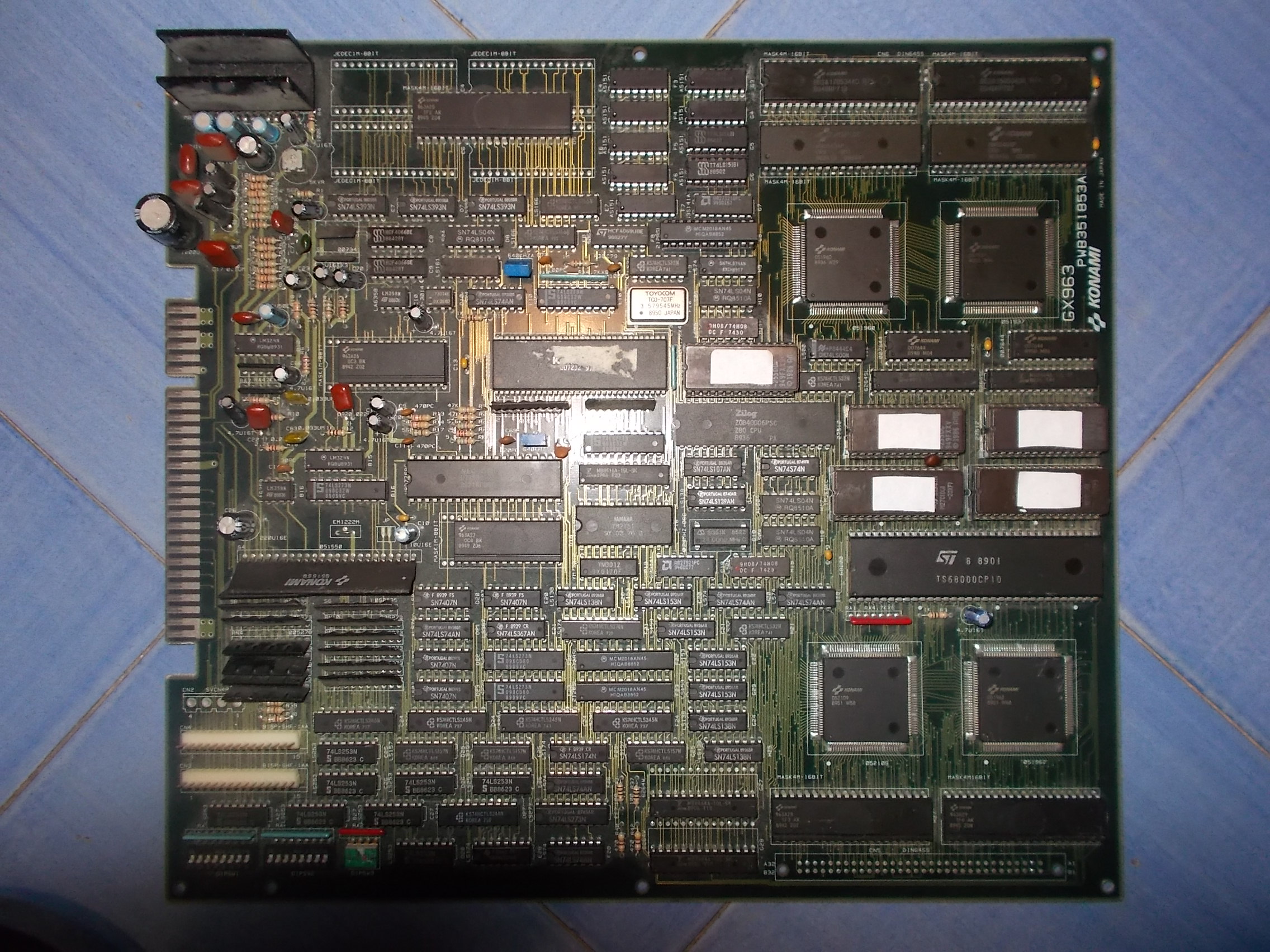
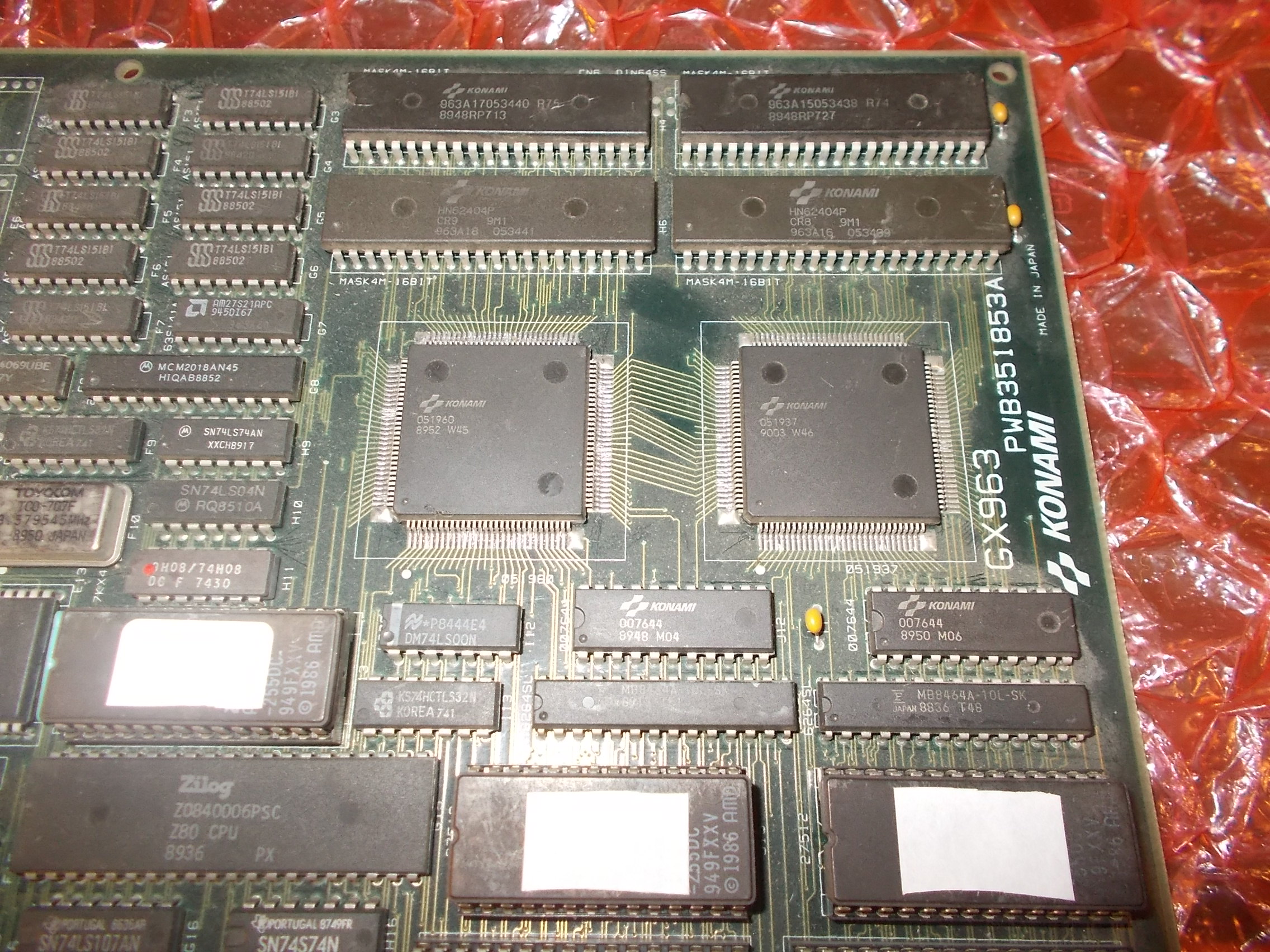
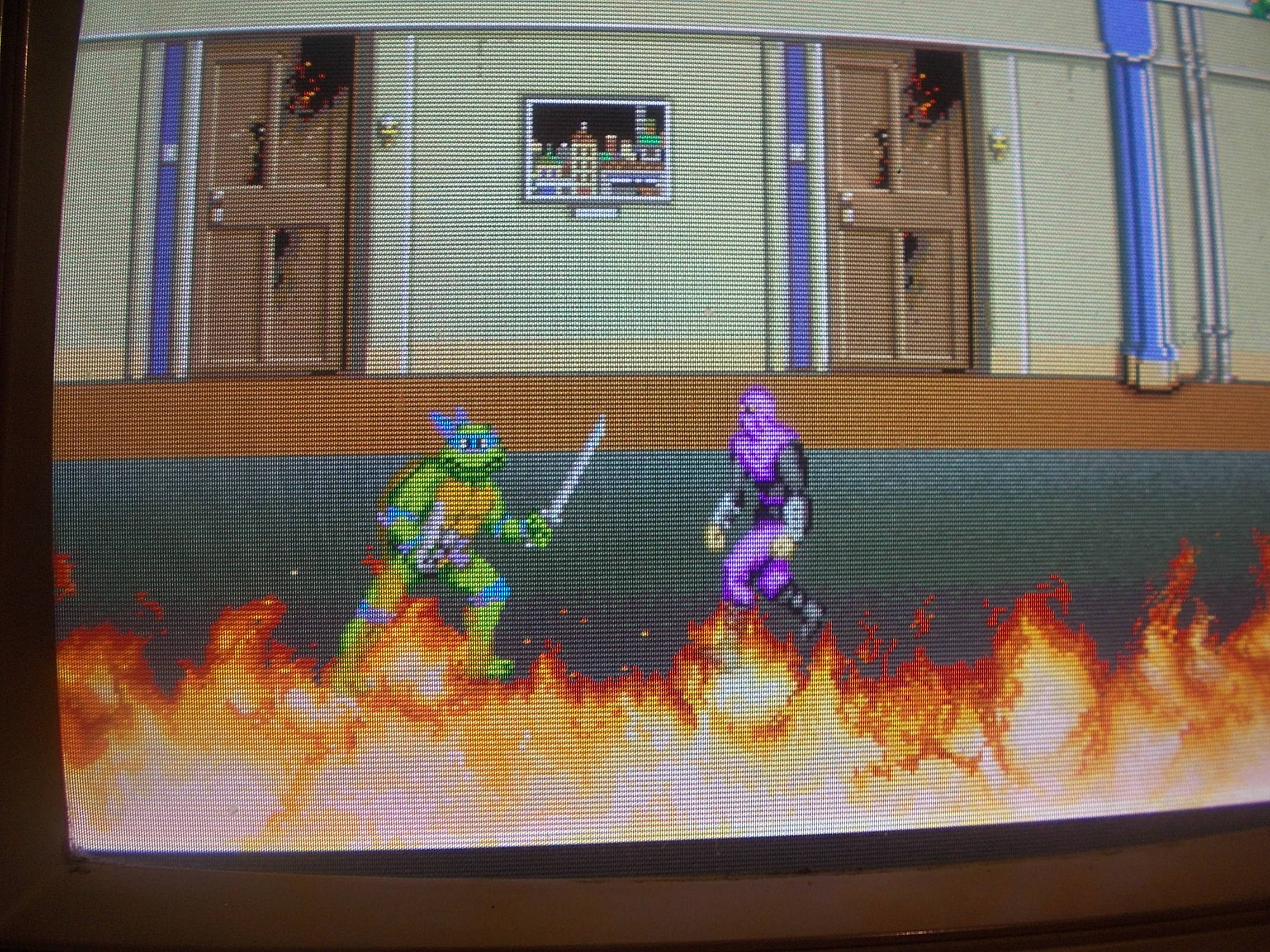
Got in a trade this untested Teenage Mutant Hero Turtles PCB:
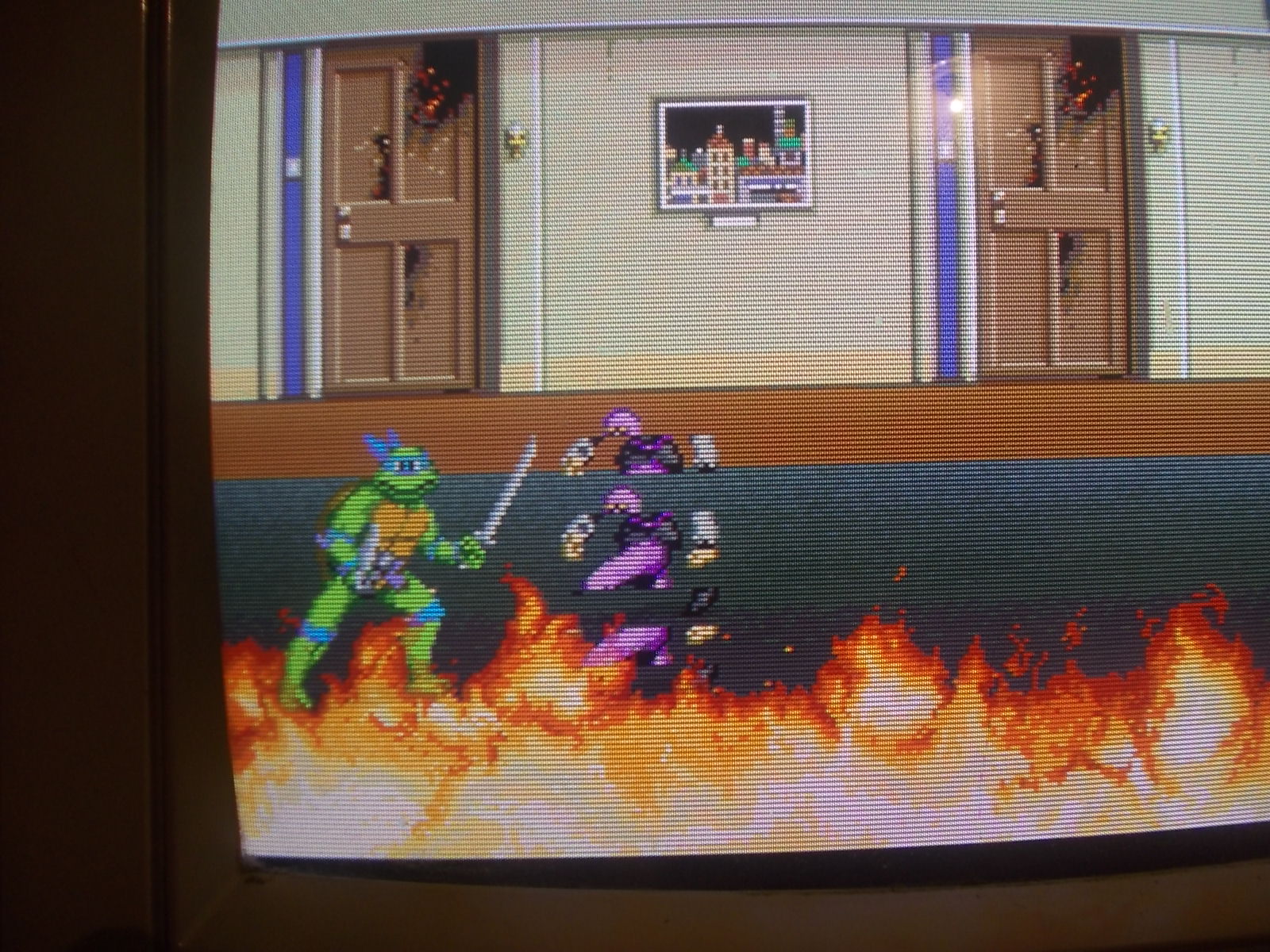
At first test the board turned out to be faulty.Sprites were scrambled and some sound samples scratchy:
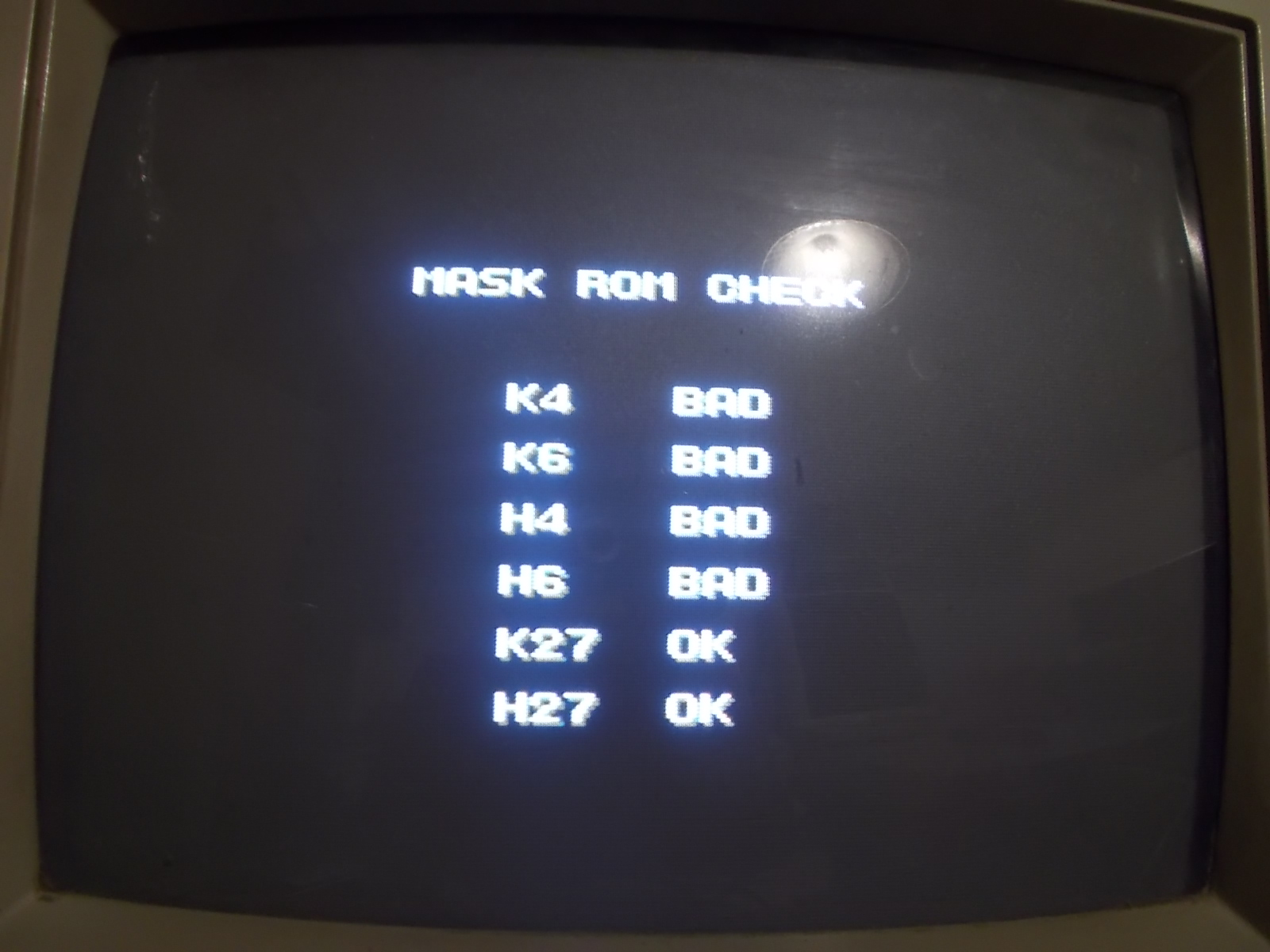
I launched a MASK ROM test which reported as bad all four 4Mbit devices storing sprites data:
Obviously the result didn’t mean the MASK ROMs were all bad, this was quite unlikely but for sure there was a problem in the sprites generation circuit.
Most of the circuit is condensed in two ASICs, the ‘051960’ which generates the address for the MASK ROMs and the ‘051937’ which reads their data:
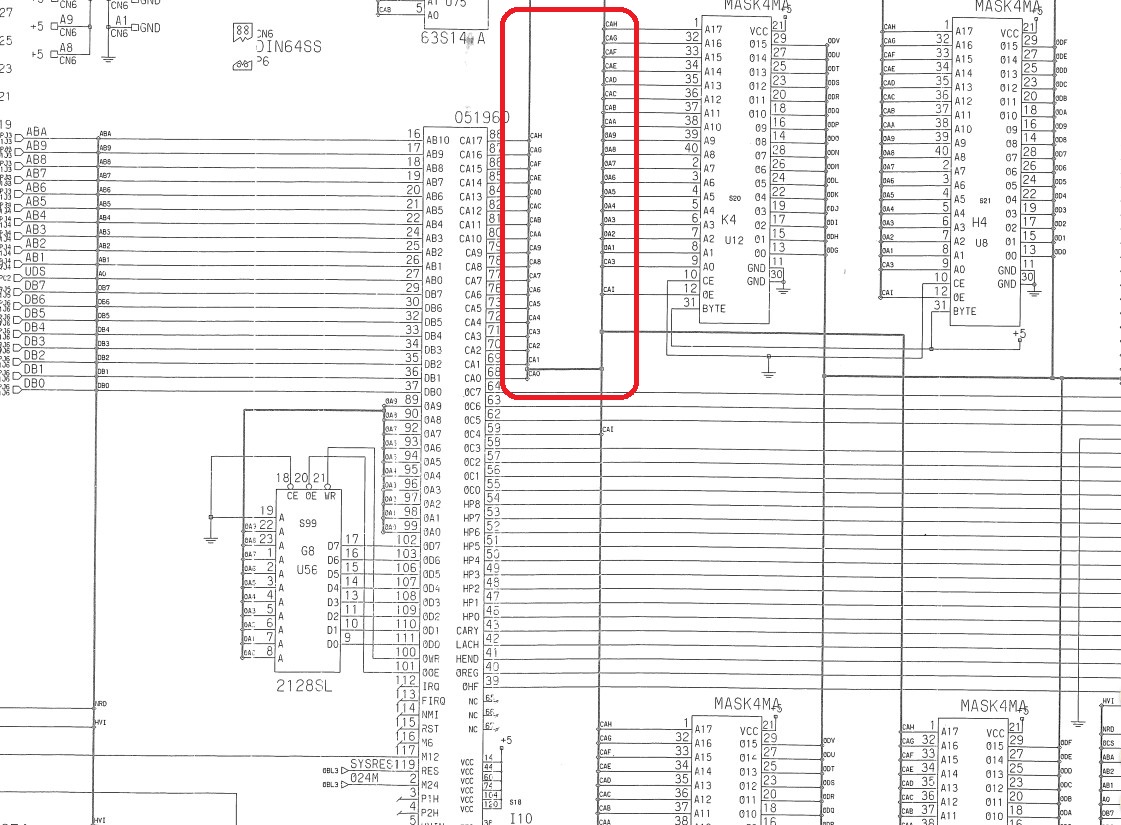
Judging from type of fault, the ‘051960’ was generating wrong address, you can see its implementation in this snippet of schematics :
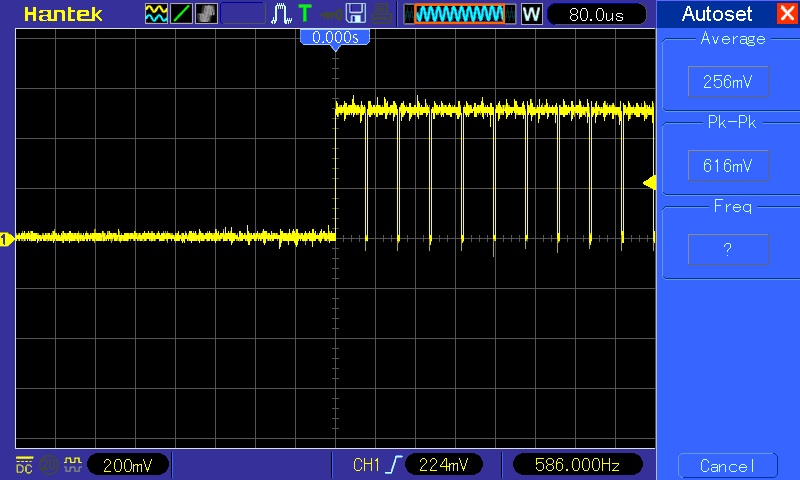
Also scope analyzing confirmed my suspicions :
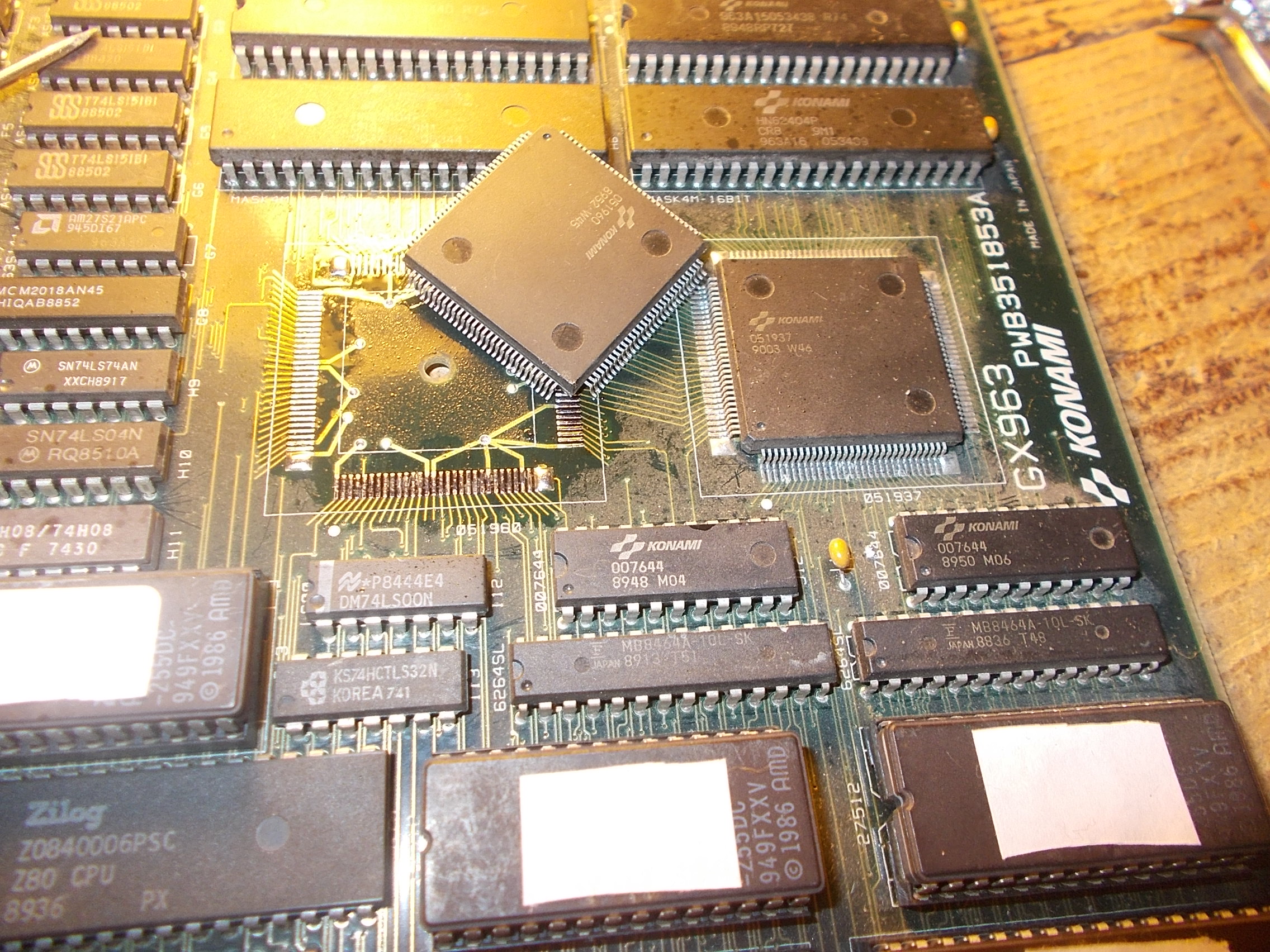
This lead me to remove and replace the ASIC:
This restored sprites so the IC was really bad (it’s not the first time, see my past repair log of Block Hole)
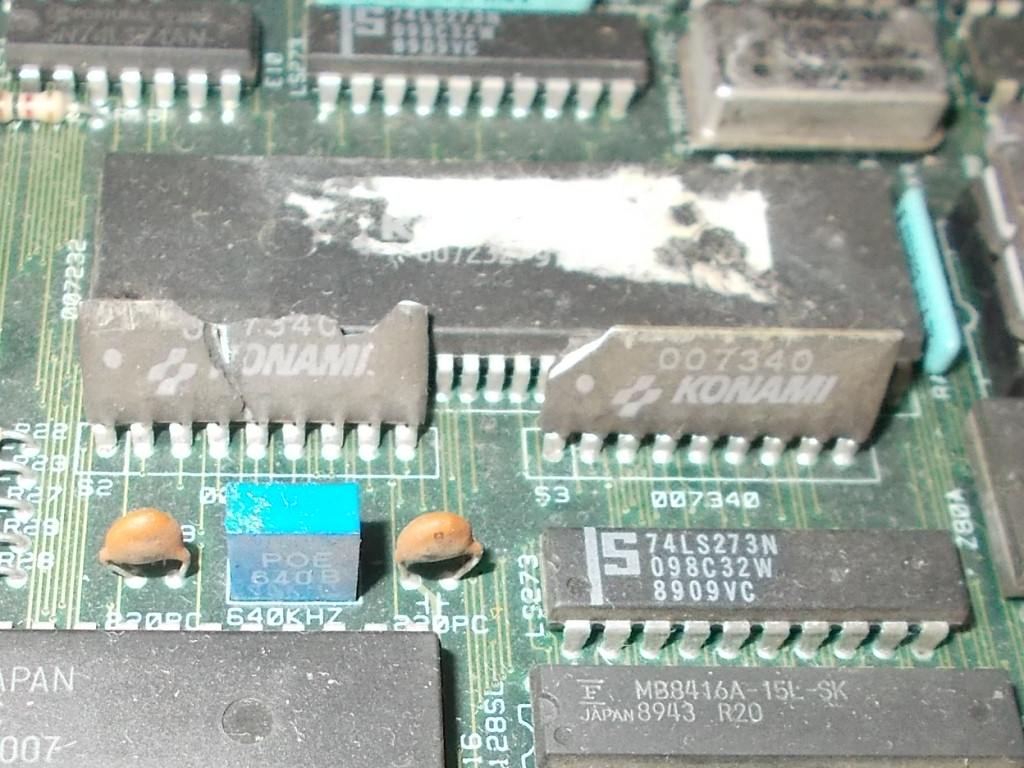
Now the sound issue.A quick visual inspection revealed that one of the two components marked ‘007340’ was cracked in two:
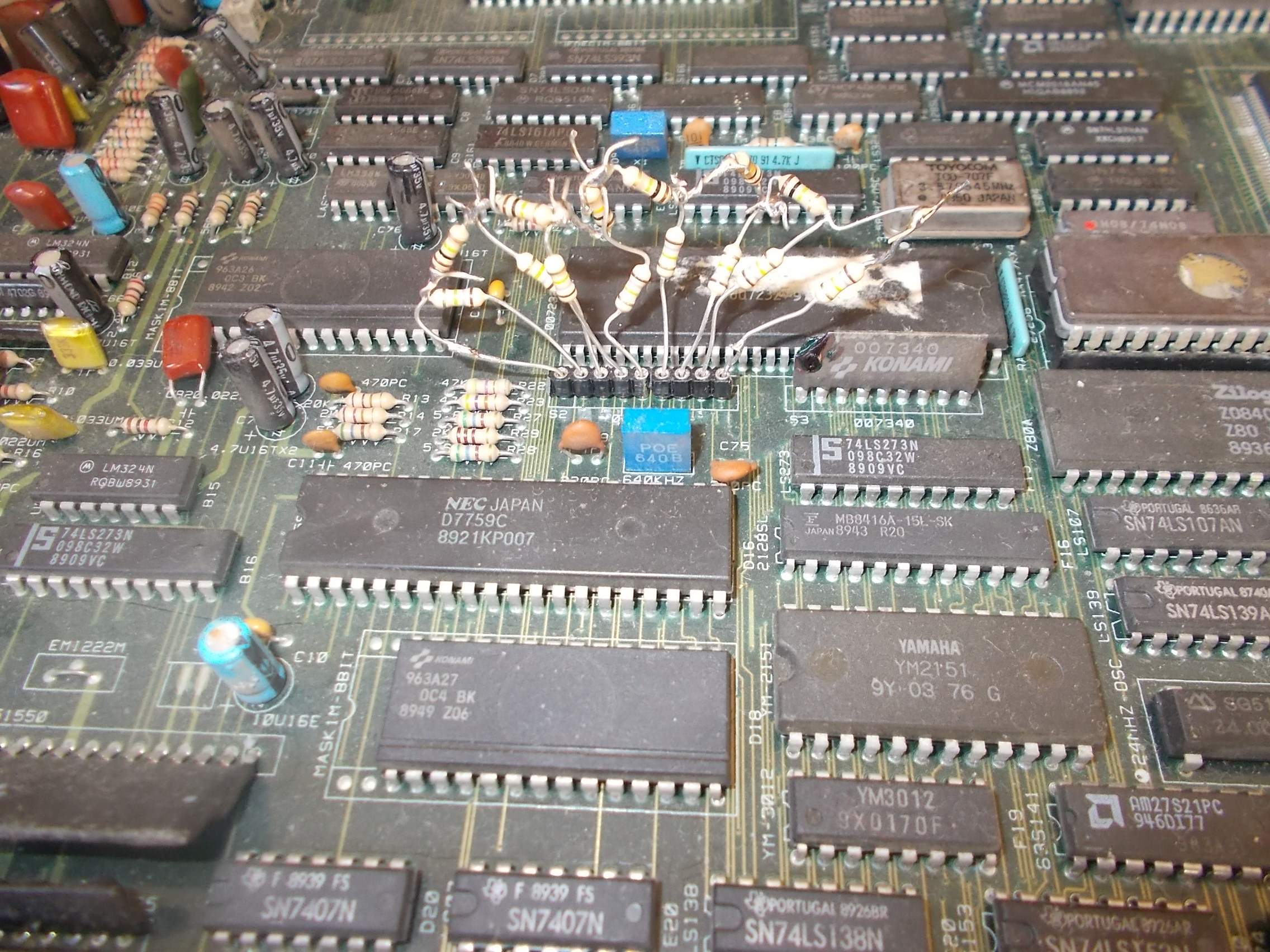
As schematics suggest the ‘007340’ is a resistor ladder (R2R) used to convert into analog the digital bits outputted from the ‘007232’ PCM controller so I made a very rough replacement that worked fine:
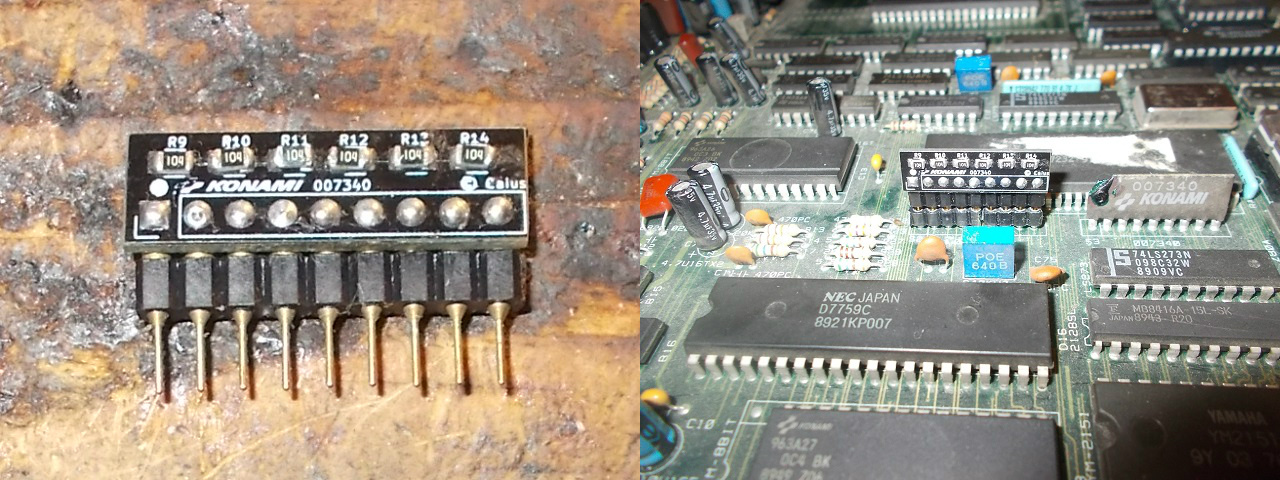
Later I properly reproduced it :
Another PCB fixed and another (little) custom reproduced.
GeneralComments Off on Recreating the Commodore 16 PLA
Mar132018
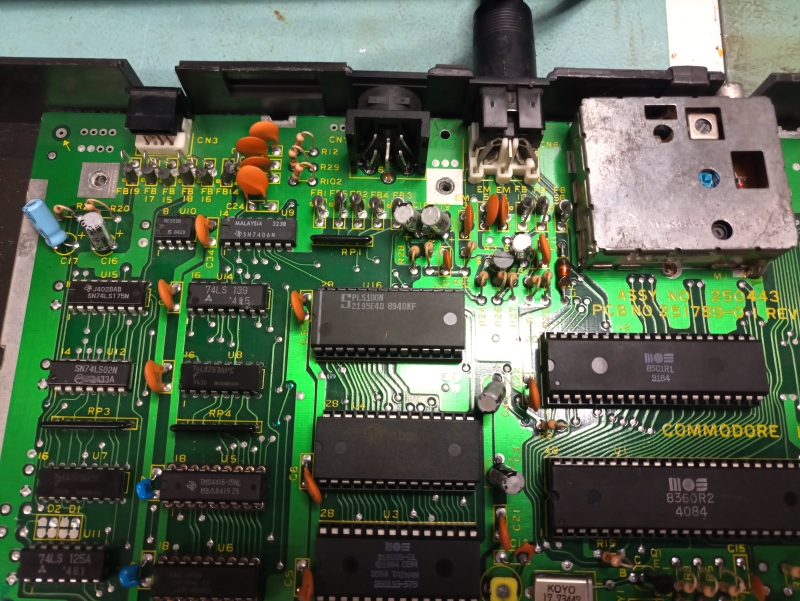
I recently picked up a nice boxed Commodore 16 for not too bad a price.
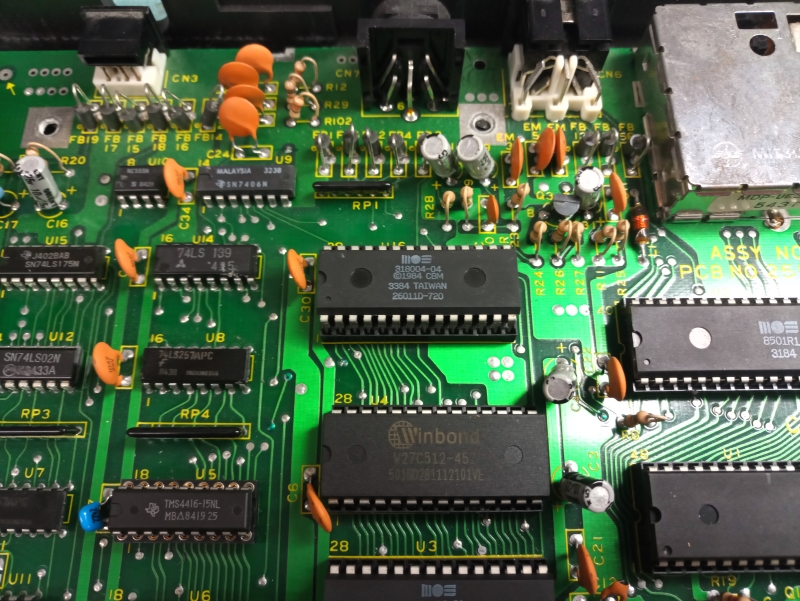
The PLA found in this is a MOS variant of the PLS100 PLA chip. I don’t believe it can natively be dumped as it seems to have its connection on pin 1 severed internally and decapping done some time ago revealed it was neither a PLS100 or 82S100 device either despite the pinout being the same.
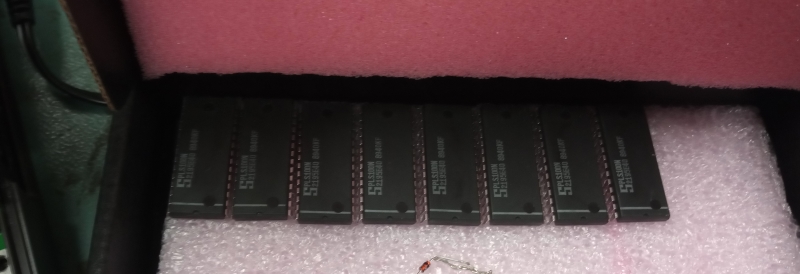
I wanted to make a replacement using the NOS PLS100 chips I have because some people like that sort of thing and there doesn’t seem to be anything out there publically already.
I hooked up the PLA to an Arduino MEGA and wrote a small program to count through all combinations of the address pins and log the outputs to a 64KB binary file.
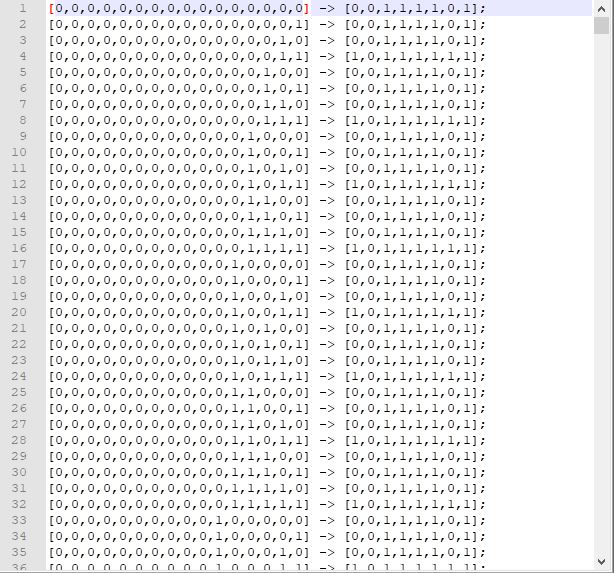
From here I wrote a program that converted the file to a truth table
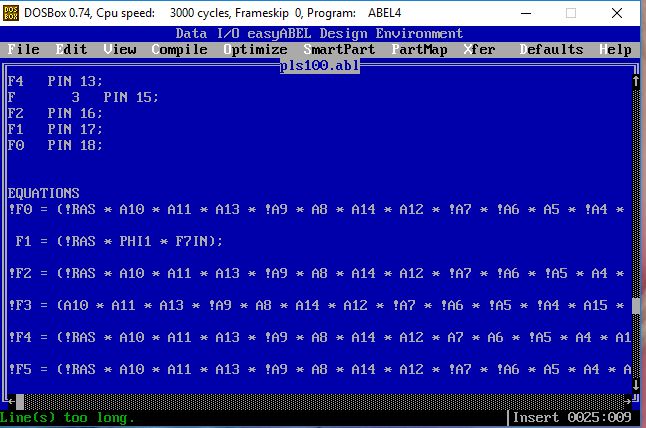
and finally into equations which I could compile to a PLS100 fusemap using the old easyABEL program.
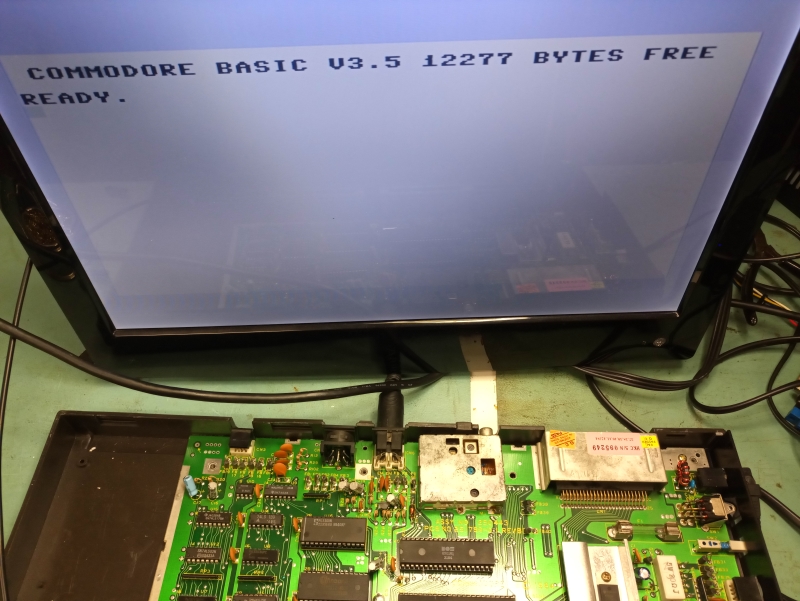
From here I could program a blank PLS100 and test in a real machine.
Still need to do some testing but early signs are looking good.
Most likely the component was internally faulty so I replaced it with a repro of mine:
Finally the board booted into game but the sound was barely audible also at maximum volume level:
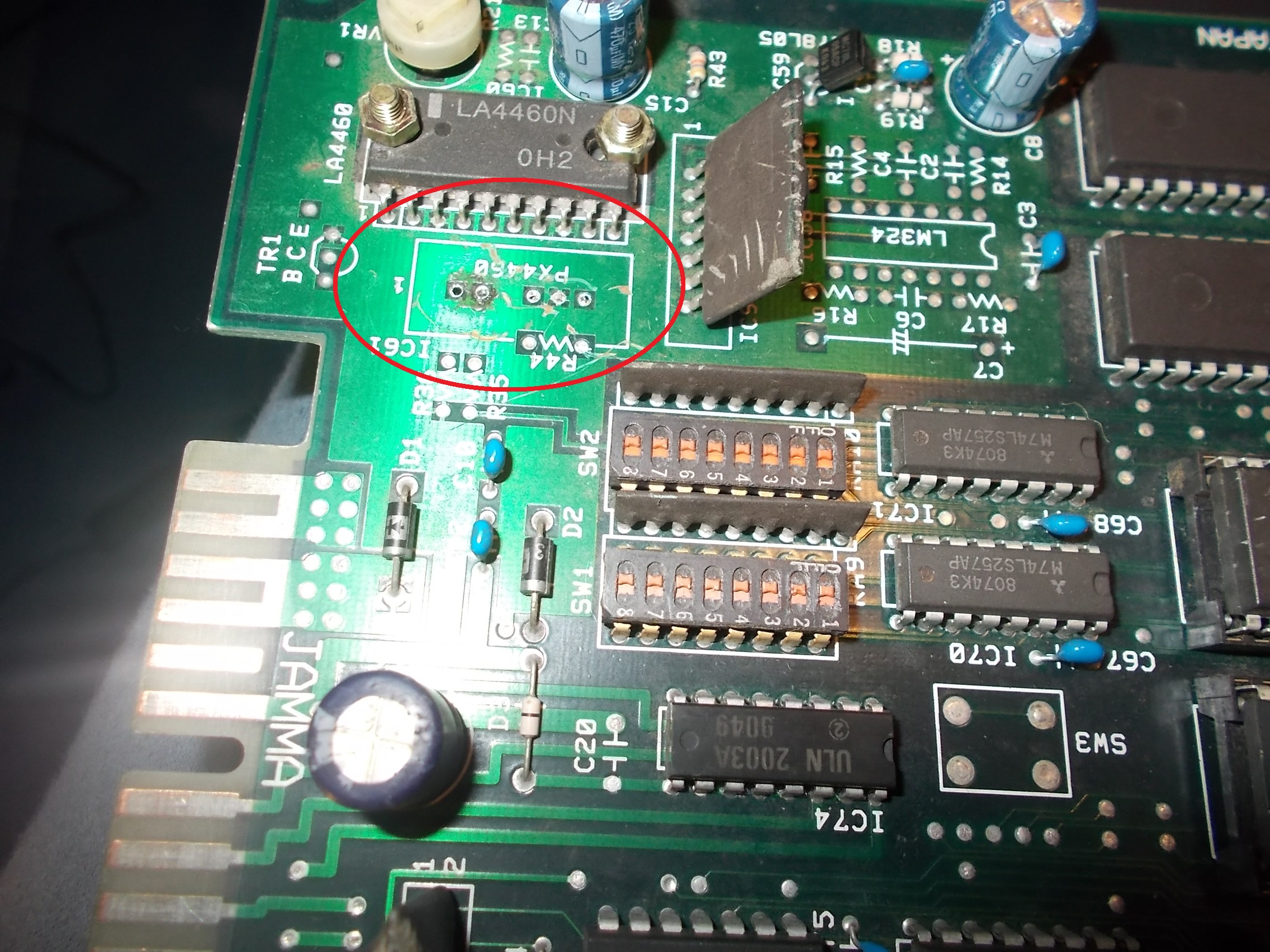
After a visual inspection I found that the component silkscreened ‘PX4460’ was missing from sound section:
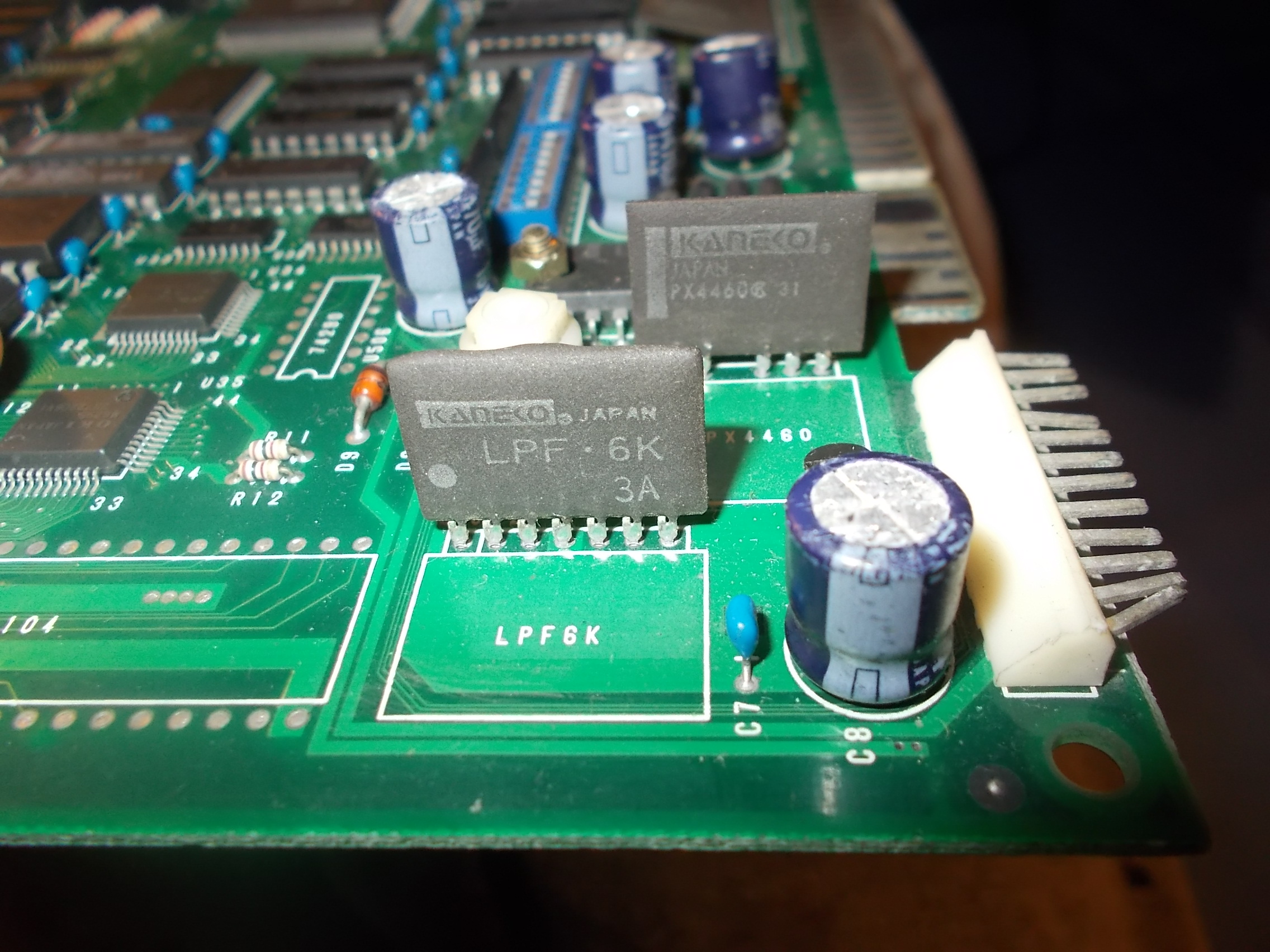
Board uses also another little sound custom, the “LPF6K”, here is a picture from another board for better understanding:
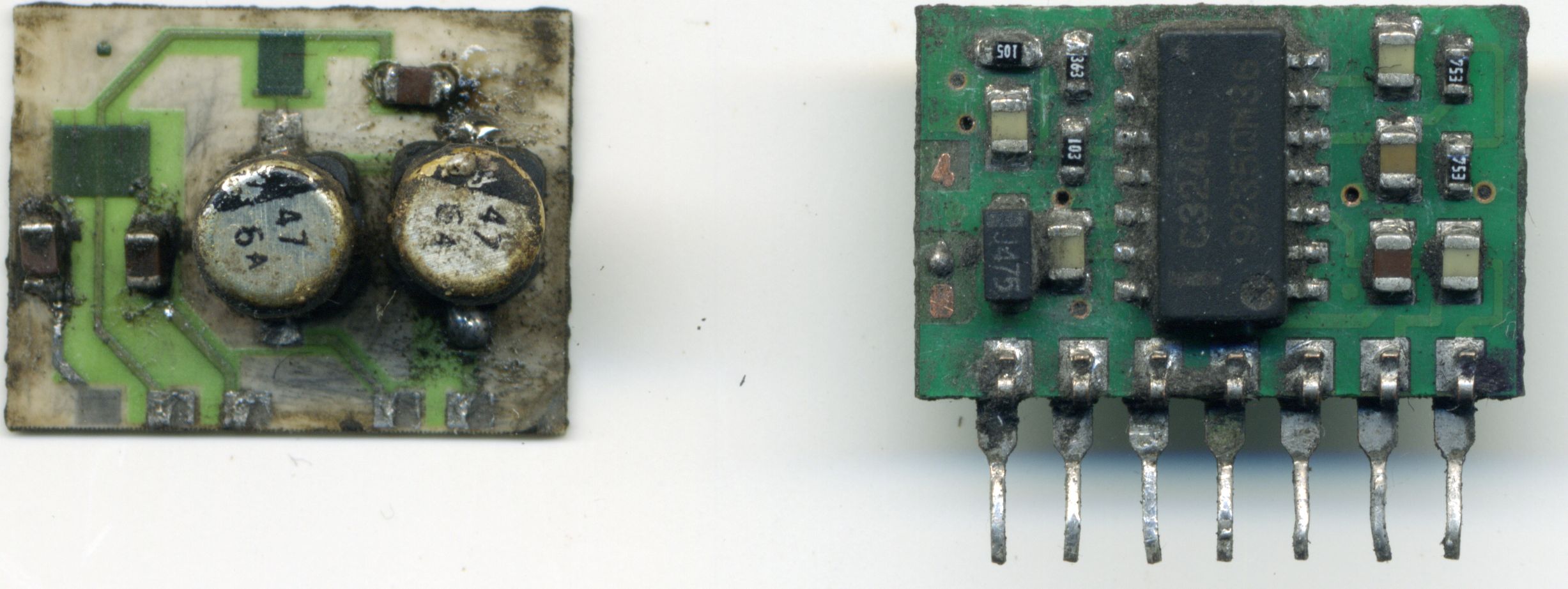
Actually you can replace them by installing the parts they are internally made of directly on PCB (there is silkscreening for them) but I wanted to keep the all-in-one solution the so I decided to have a look inside them in order to reproduce both (although the ‘LPF6K’ was not missing on my board).I removed the coating and did an Hi-Res scan;
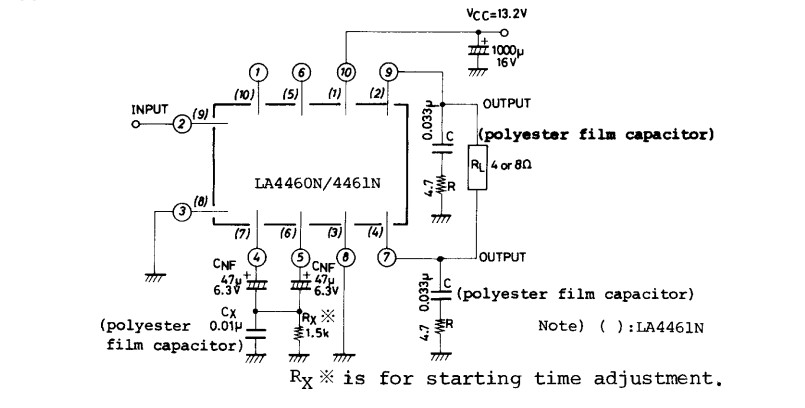
On the left on the above picture it’s the naked ‘PX4460’ which, like its name suggests, embeds all the parts (minus the 1000uF 16V electrolytic capacitor, this is on the PCB) needed by the typical application circuit of the ‘LA4460’ amplifier as datasheet shows :
On the right of the scan, it’s the ‘LPF6K’ that contains an LM324 OP-AMP and all its required parts, its function is to pre-amplify the sound.
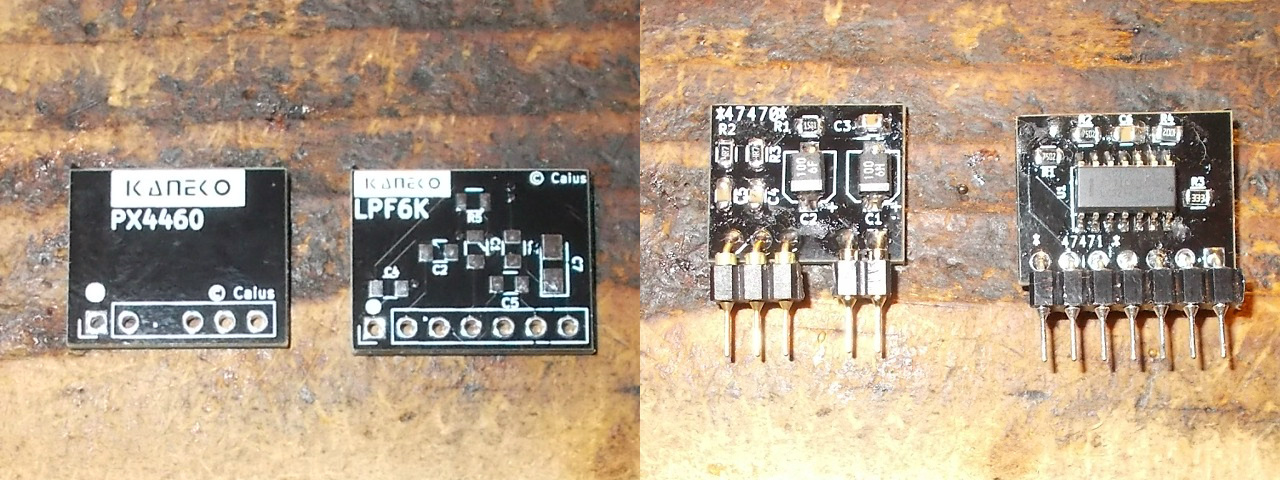
Given the simplicity of both customs it took few time to figure out schematics and route them to a replacement PCB.Here is the result:
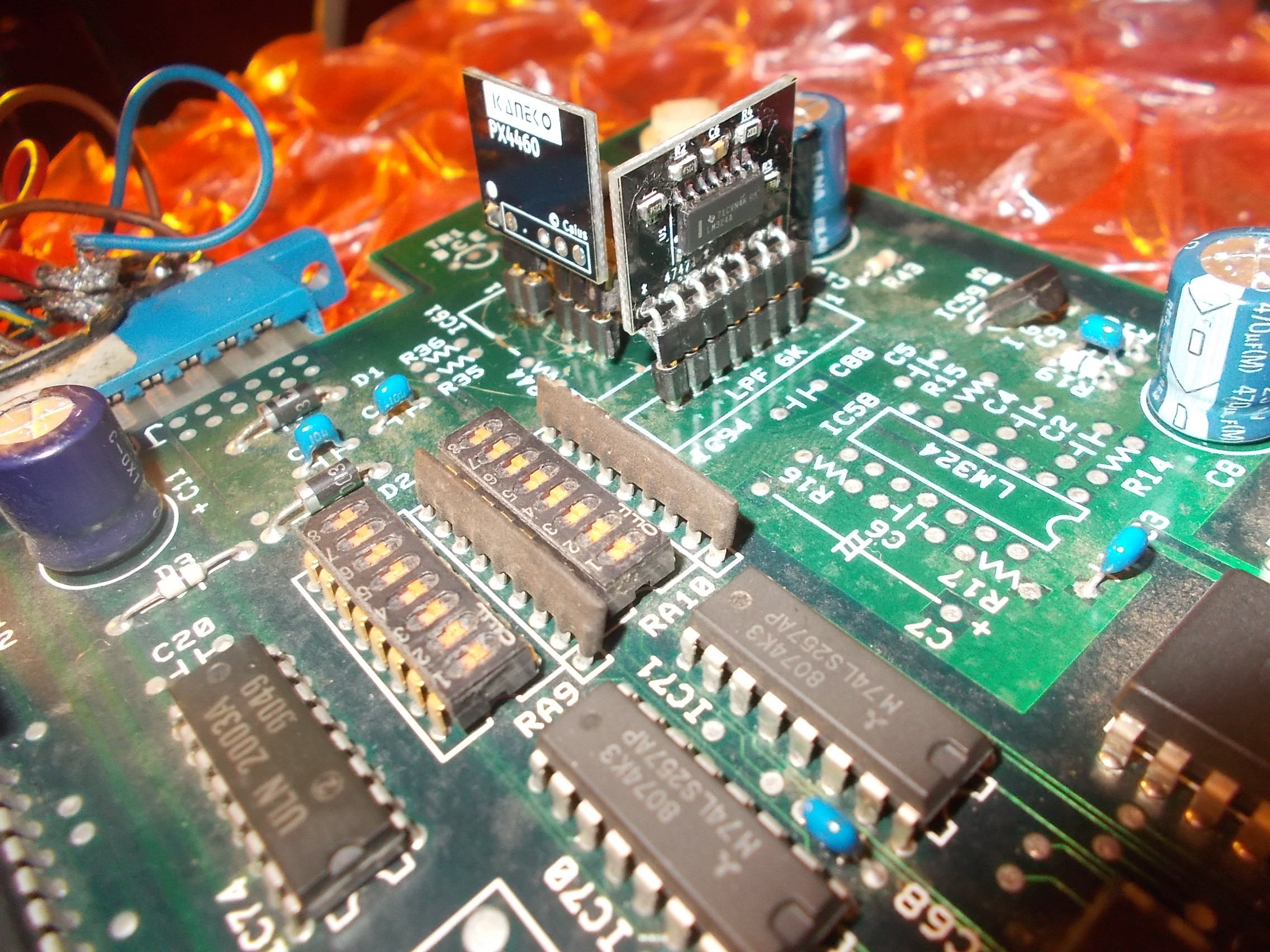
Installed on PCB ready for the smoke test:
Success!Sound was restored and both repro worked fine as replacement.
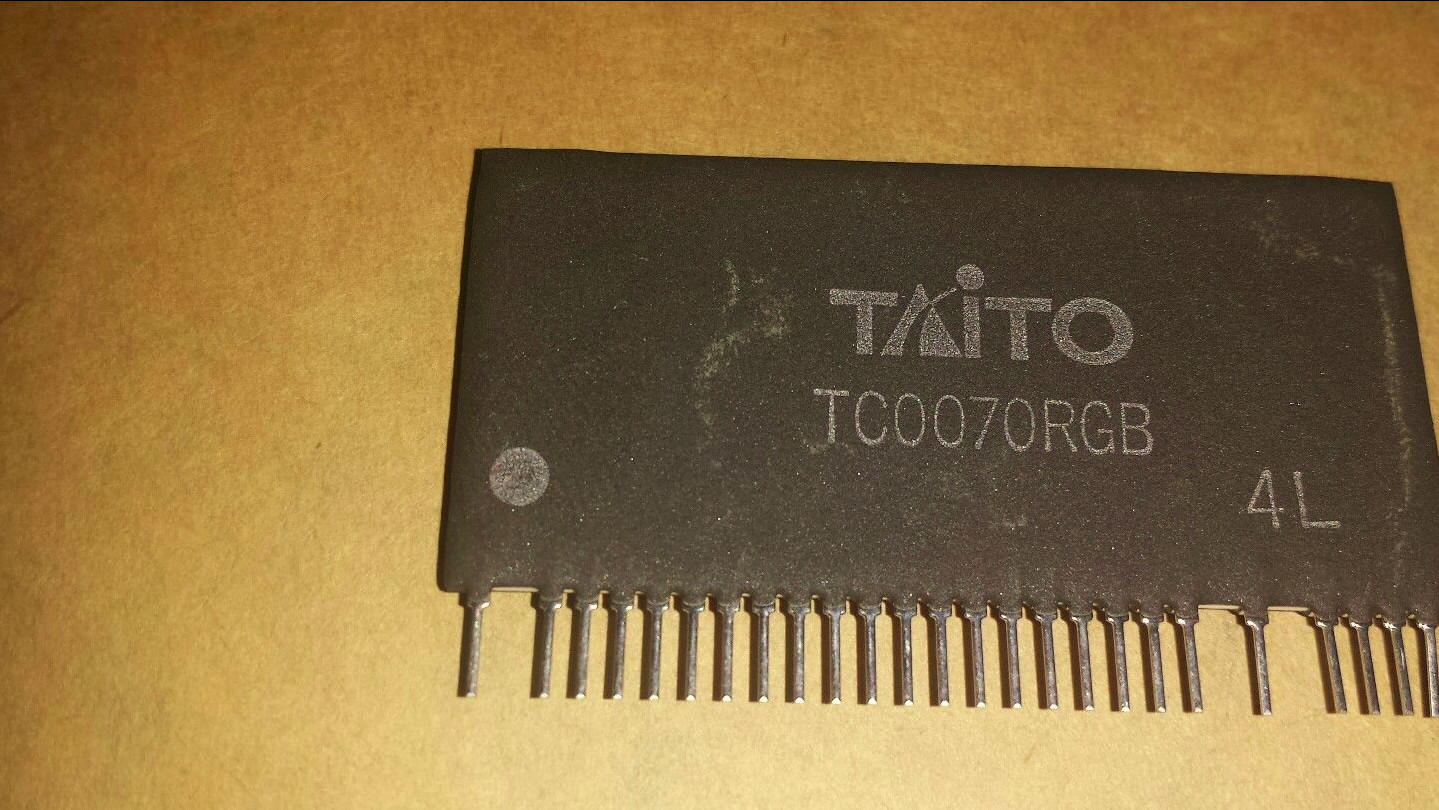
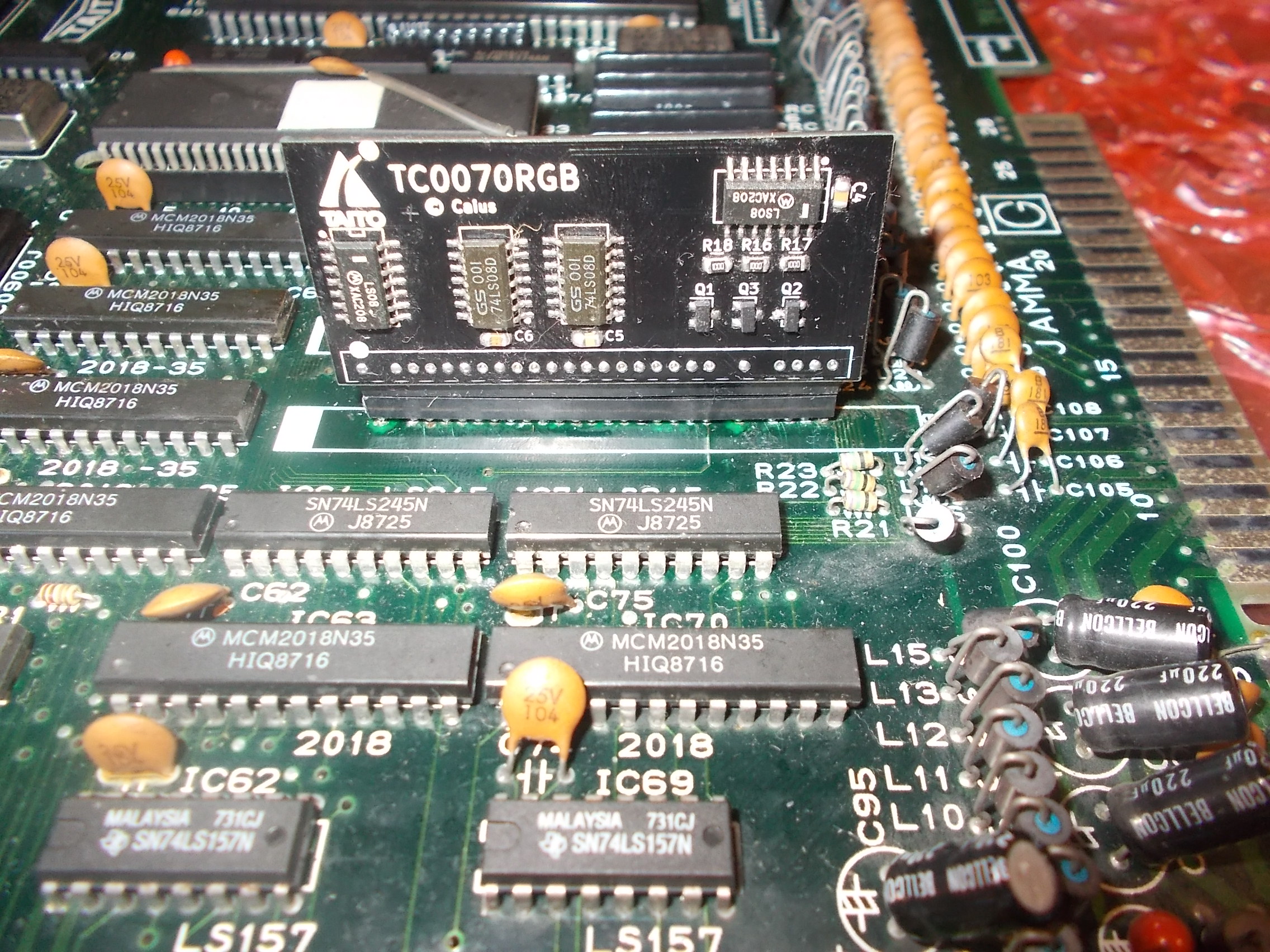
The ‘TC0070RGB’ is a 15-bit RGB DAC (5-bit for each color) used in many PCBs from Taito : Rainbow Islands (Normal and Extra version), Bonze Adventure, Cadash, Continental Circuit, Chase HQ, Operation Wolf, Final Blow, Ninja Warriors just to name few.As many custom RGB DAC of its era it comes in SIL package (picture taken from the net)
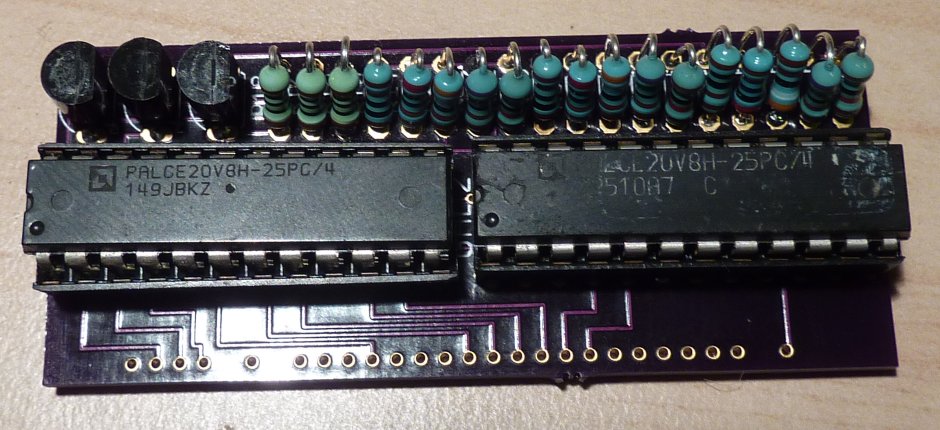
I will not go into the technical details since the component has been already analyzed and schematics figured out as well as a reproduction has been excellently realized by Macro (who embedded all logics into two GAL devices) :
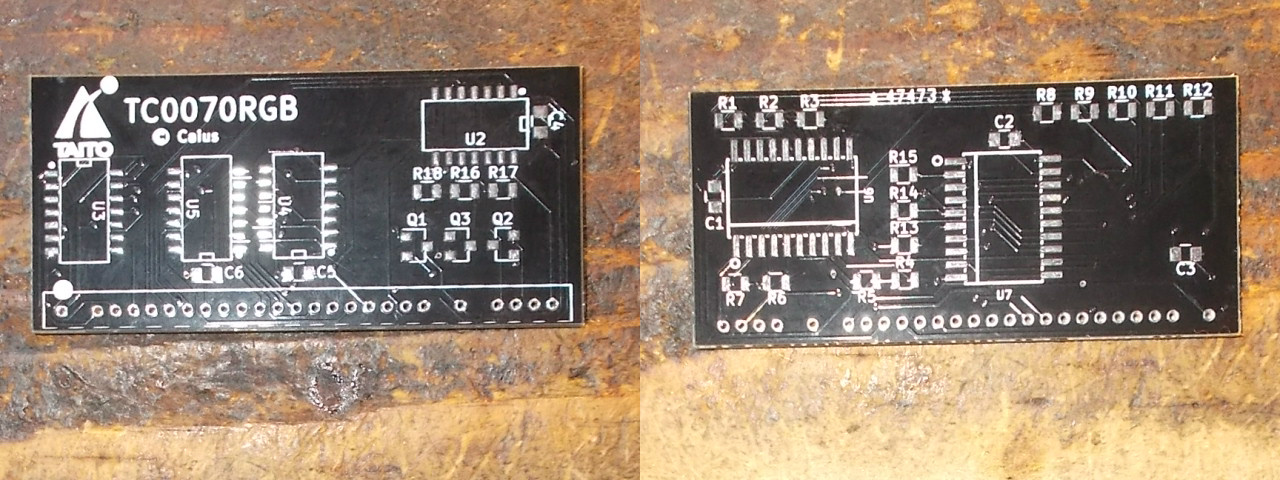
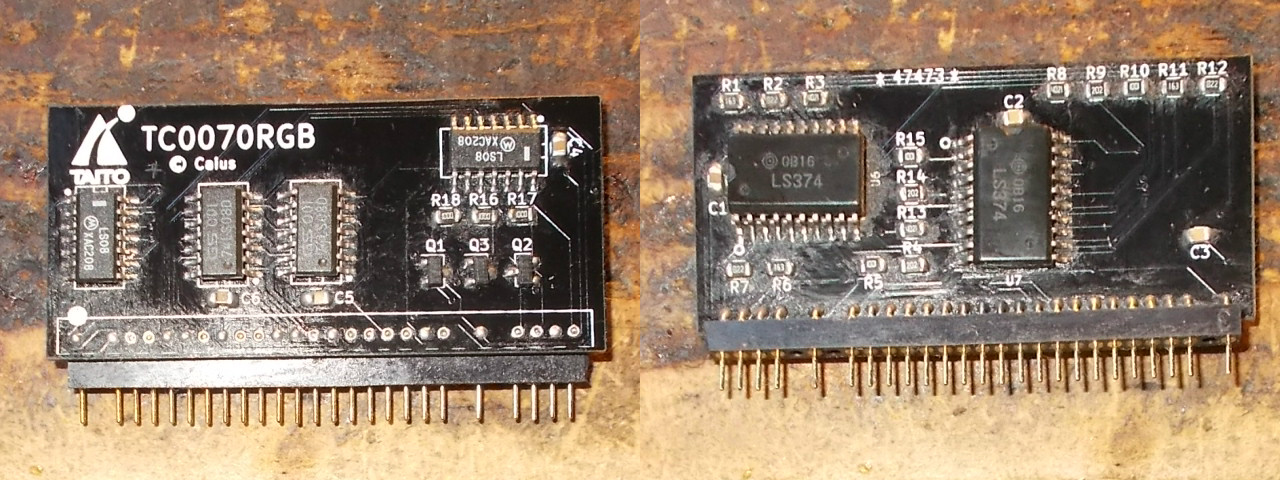
What I have done is I simply reproduced the ‘TC0070RGB’ in my way trying to stay as much close as possible to the original design while keeping the same dimensions, color and parts used.The result is quite pleasant: