Sep 022016
 

Some time ago Caius made a post regarding a cheap alternative to the very expensive curve tracer equipment called ‘Octopus’.
I’ve always meant too build one of these myself but never did get around to it.
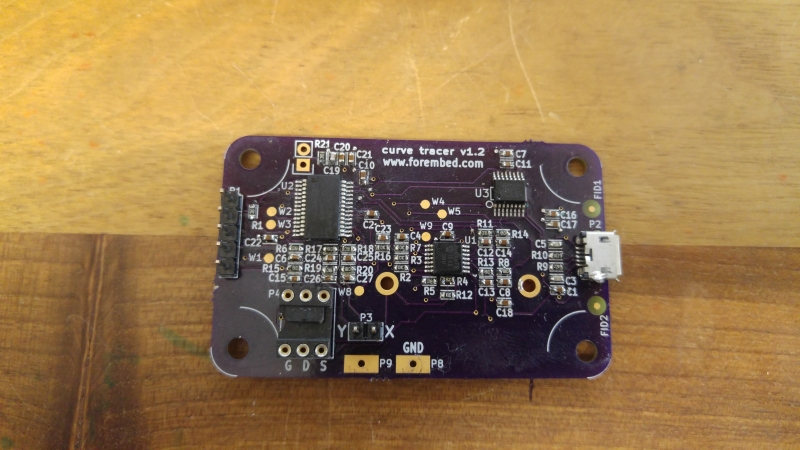
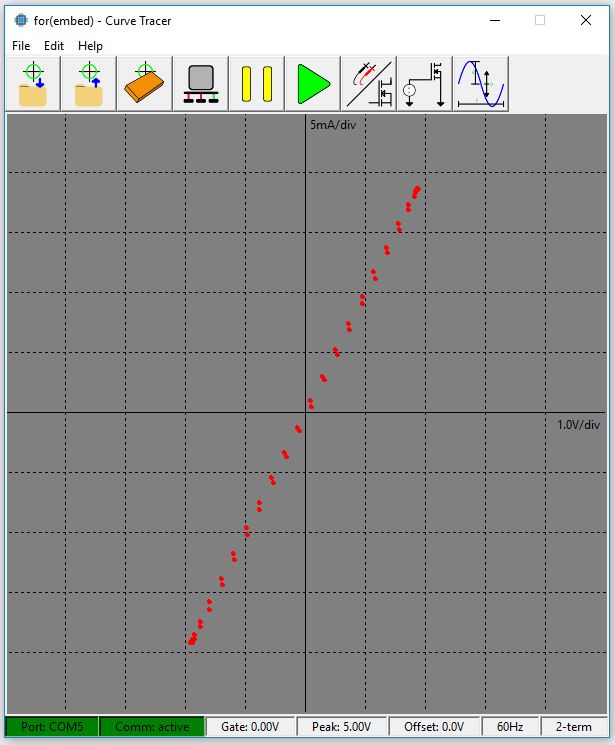
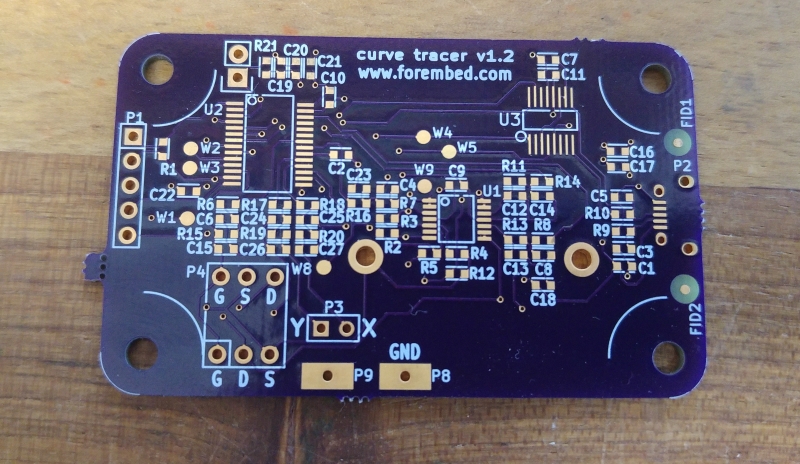
Recently I came across this website where a guy called Jason Jones has designed a USB powered curve tracer circuit.
All the files required to build one yourself have been released on github here
20160902_163336
20160902_163343

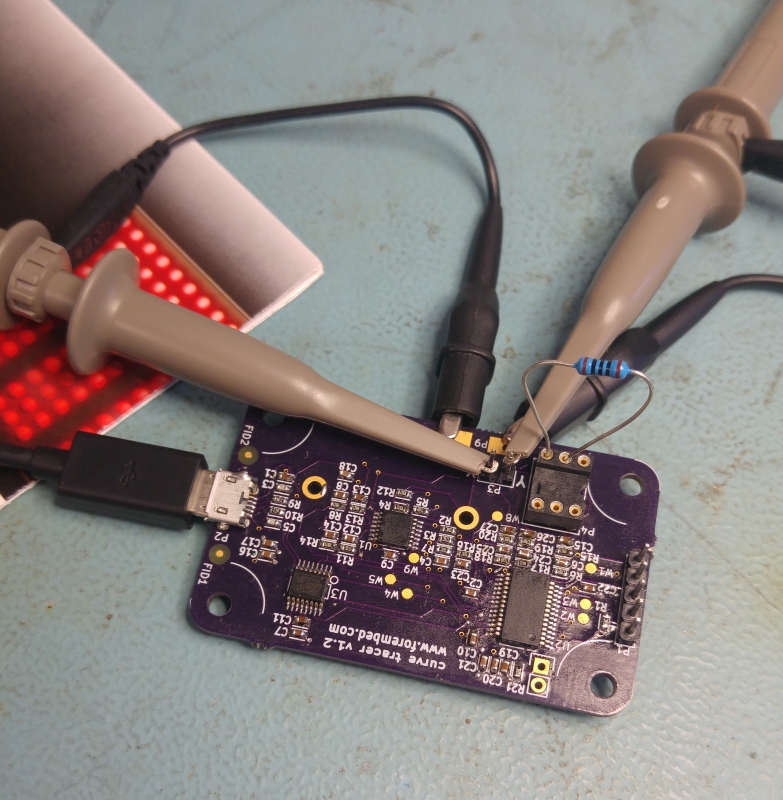
Its easy enough to put together. I used a Pickit 3 to program the PIC in circuit which was painless enough once I had the .hex file sent to me by Jason as I couldnt work my way around the new MPLAB software. The header allows the Pickit 3 to plug straight on. I did have to power the circuit via USB as well while programming as my Pickit complained the voltage was too low if I used the Pickit itself to power it.

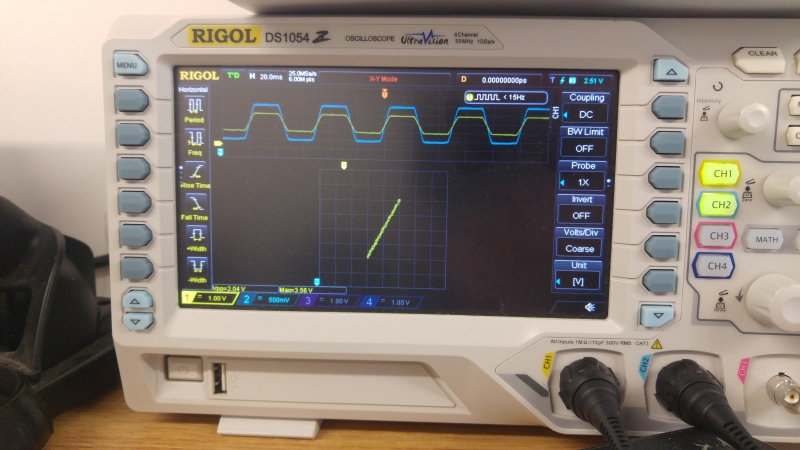
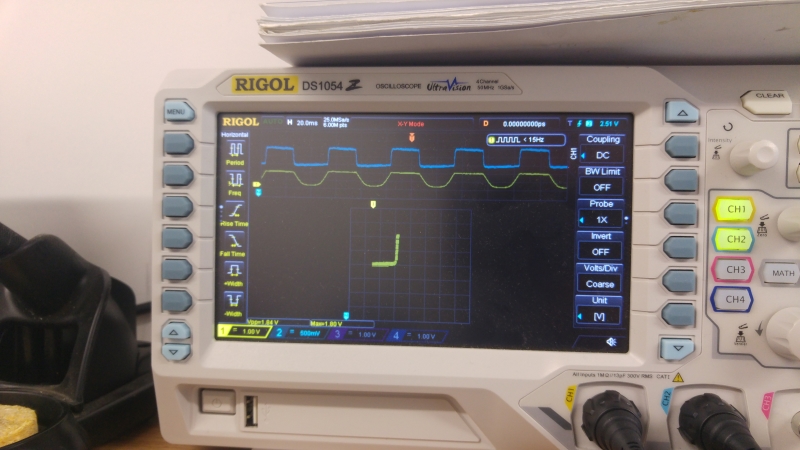
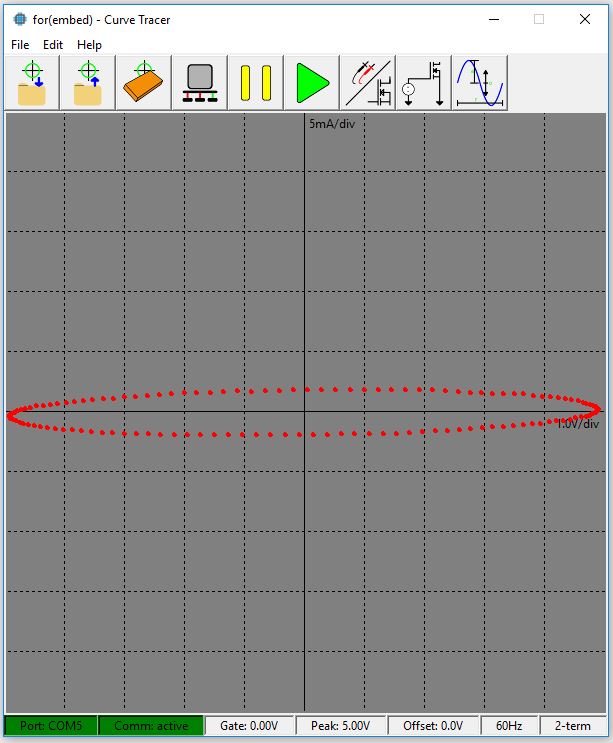
Jason has also made PC software in Python to remove the need to have an oscilloscope which works well enough but you can easily use a scope and works very well using my Rigol DS1054 scope.
20160824_183647
20160824_183754
20160824_184035
curve_gui1
curve_gui2

Im very happy to have this in my ever growing collection of test equipment.
Thanks very much to Jason Jones for the project and for the help with the firmware.
 Posted by at 4:54 pm

Lloyd Research L9000 programmer

 General, PAL Updates  Comments Off on Lloyd Research L9000 programmer
Aug 262016
 

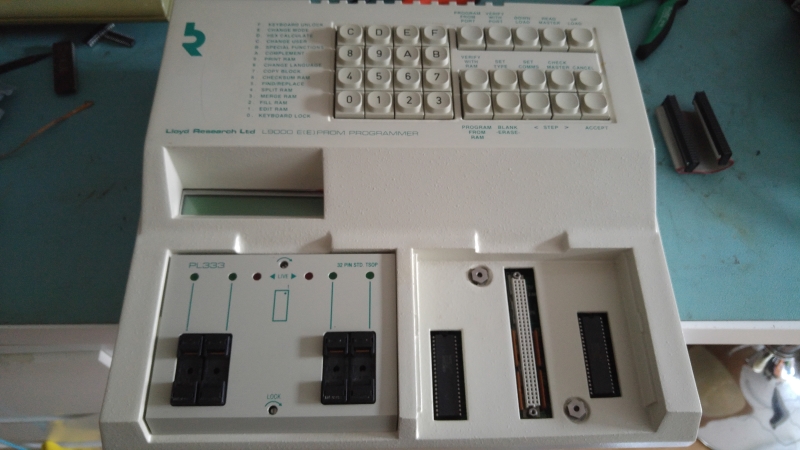
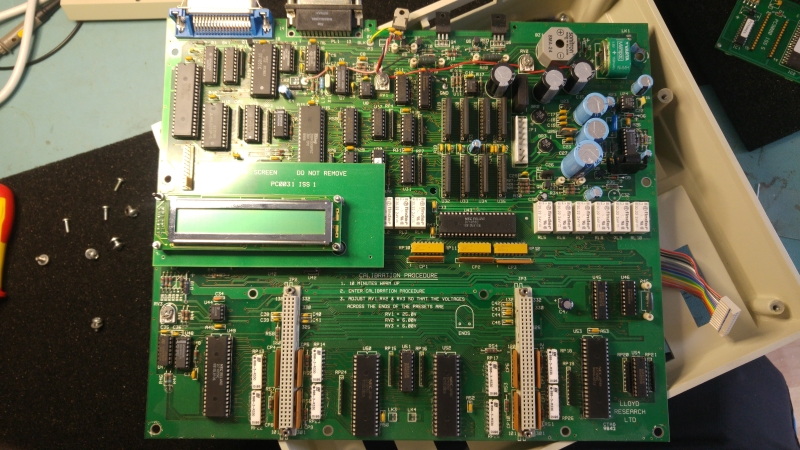
Today I got an interesting programmer unit.
Its made by a UK company called Lloyd Research and doesnt seem to be active anymore although their website is still up and running.

There is very little about these online, only one website came up in my searches with any kind of information and thats Baddinsbits.

I contacted the owner of this site and he kindly scanned in the manual for this programmer and sent it to me (manual can now be found in the downloads).
I dumped my firmware which seems to be one of the later versions, possibly from 2004.
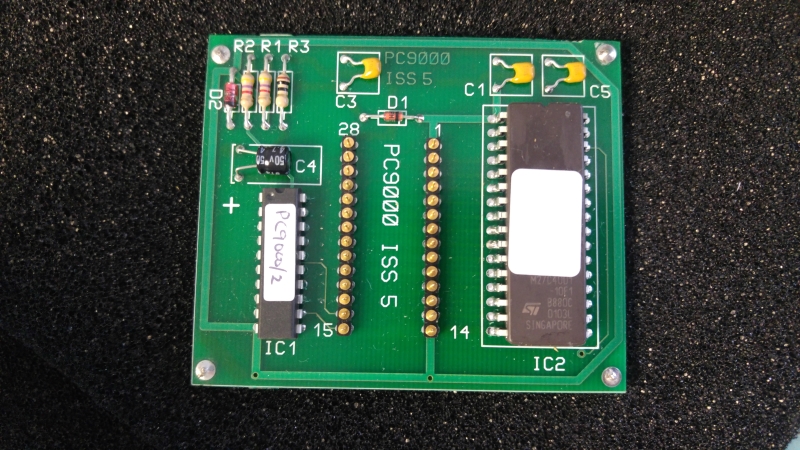
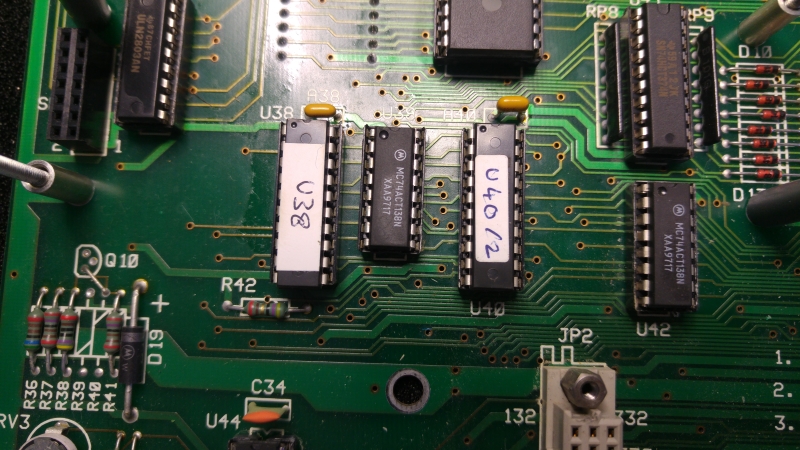
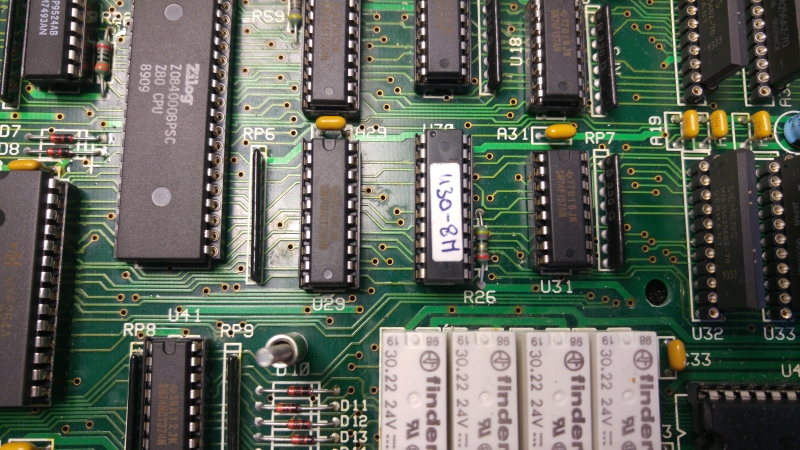
I also went ahead and dumped the PAL’s from inside. There is one located on the EPROM PCB, two located under the LCD screen and one located next to the RAM. The one next to the RAM was locked which makes sense as I believe RAM upgrades were sold as optional extras. Anyway I managed to glitch this PALCE device and read out its contents. This is from the 8Mbit version.


If anyone has any other files, information or dumps they can give me please get in touch.
Big thanks to Baddin for the manual and the conversation.

 Posted by at 7:37 pm

Bit manipulation added to BINman

 General  Comments Off on Bit manipulation added to BINman
Jun 232016
 

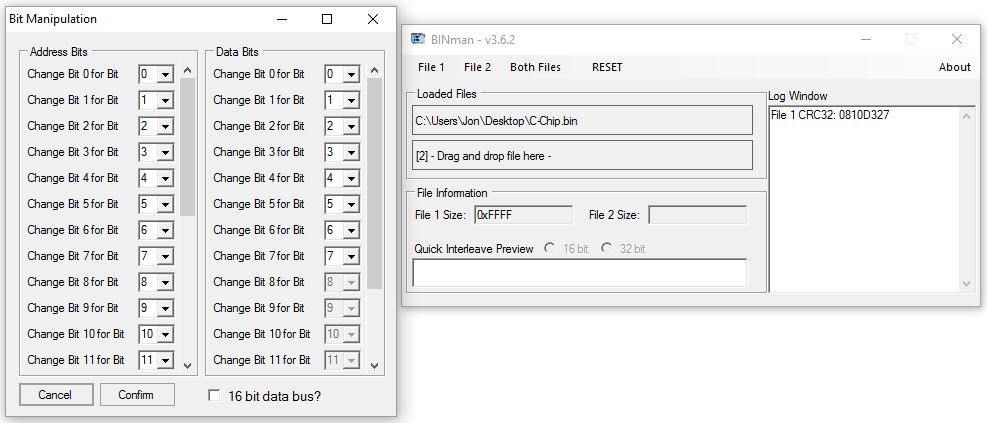
Philmurr from the UKVAC forums was asking about a program to manipulate the bit order for address and data lines of a ROM dump.
I had the idea for manipulating data lines in the past when I was dumping the Arcadia ROM’s from Unigame but I never followed through with it until now.
Anyway I have now added support for this to my BINman program.
bitmanip

Its fairly self explanatory I think and it has been tested by Philmurr on his Scramble ROM’s and I did some testing with Arcadia ROM’s too.
Latest version is 3.6.2

 Posted by at 6:49 pm

BINman 3.5.1 update

 General  Comments Off on BINman 3.5.1 update
May 302016
 

binman351

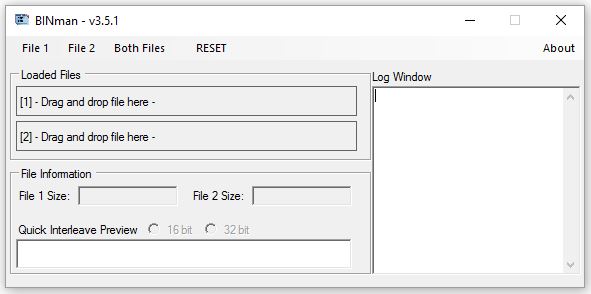
I’ve been working on this a bit recently, mainly to add a few things I wanted it to do but also did a rewrite of a few things which Caius has been bug testing for me.

-Moved the HEX view to the relevant menu’s
-It can now compare the two loaded files and it will give a match percentage output and say how many bytes are different.
-Can now create a new file within the program and can choose what to fill it with.
-Added auto concatenation depending on the EPROM selected. I recently found myself doubling up (or sometimes more) ROM files to fit into larger EPROM’s and just wanted a quick way of doing this.

There is probably a few other things added/different too.

As always it requires .NET to run

 Posted by at 4:48 pm
May 122016
 

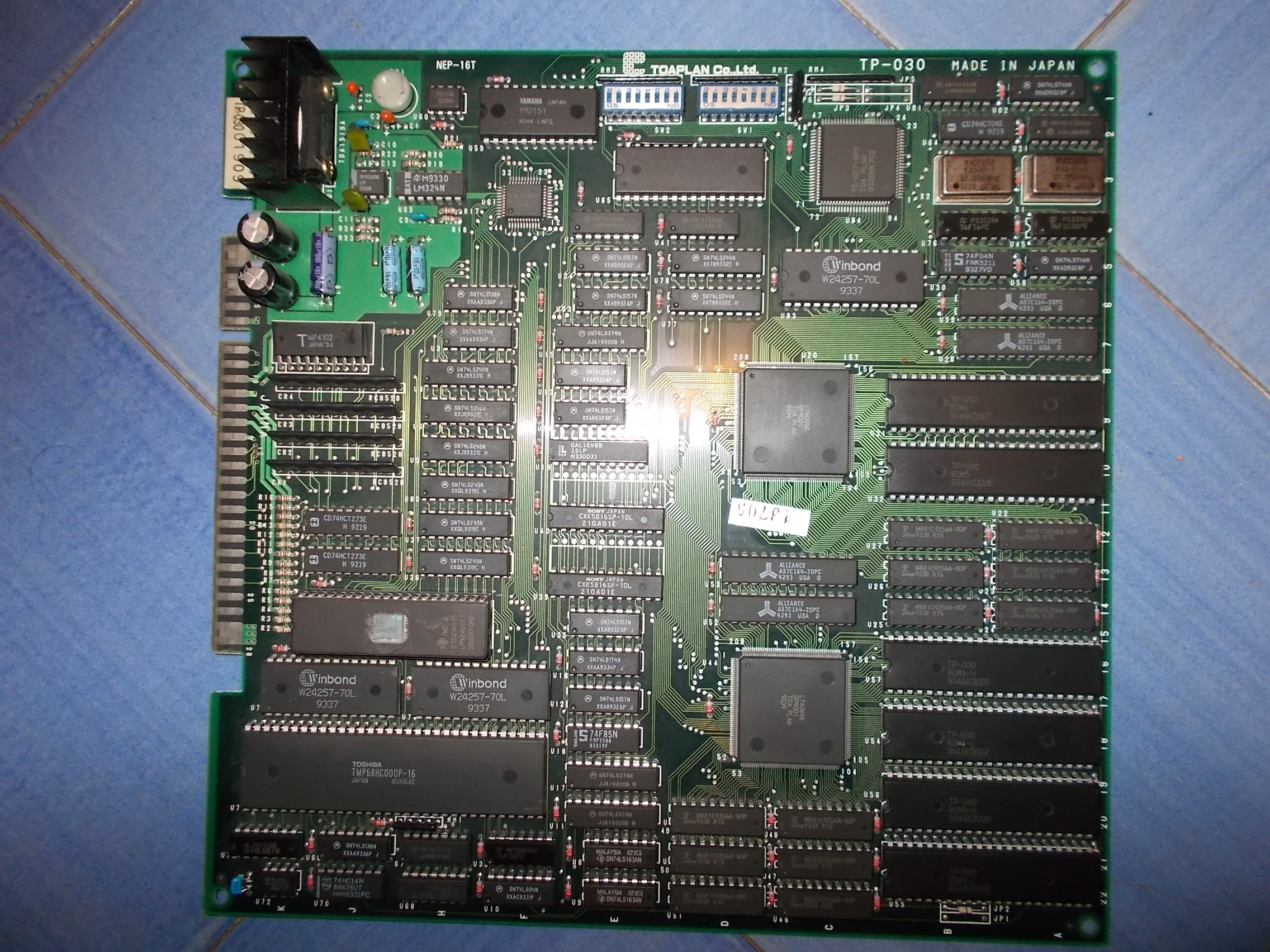
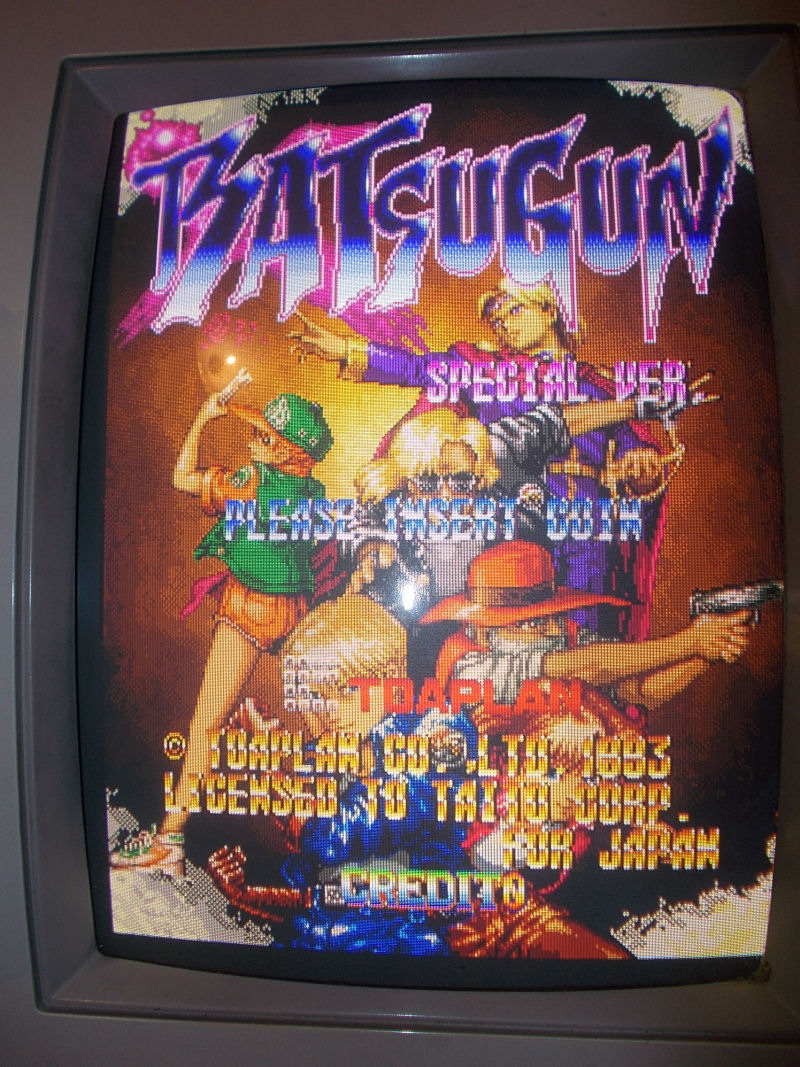
Received this Batsugun Special Ver. PCB for a repair:

Batsugun_Special_ver_Japan_PCB

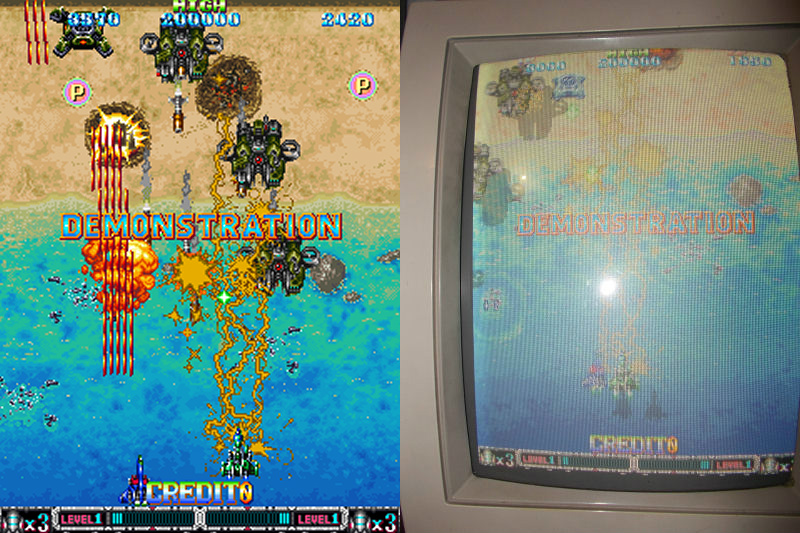
Game played fine but colors were all dull and washed-out, take a look at this comparison with a MAME snapshot on the left:

colors_comparison

or this video:

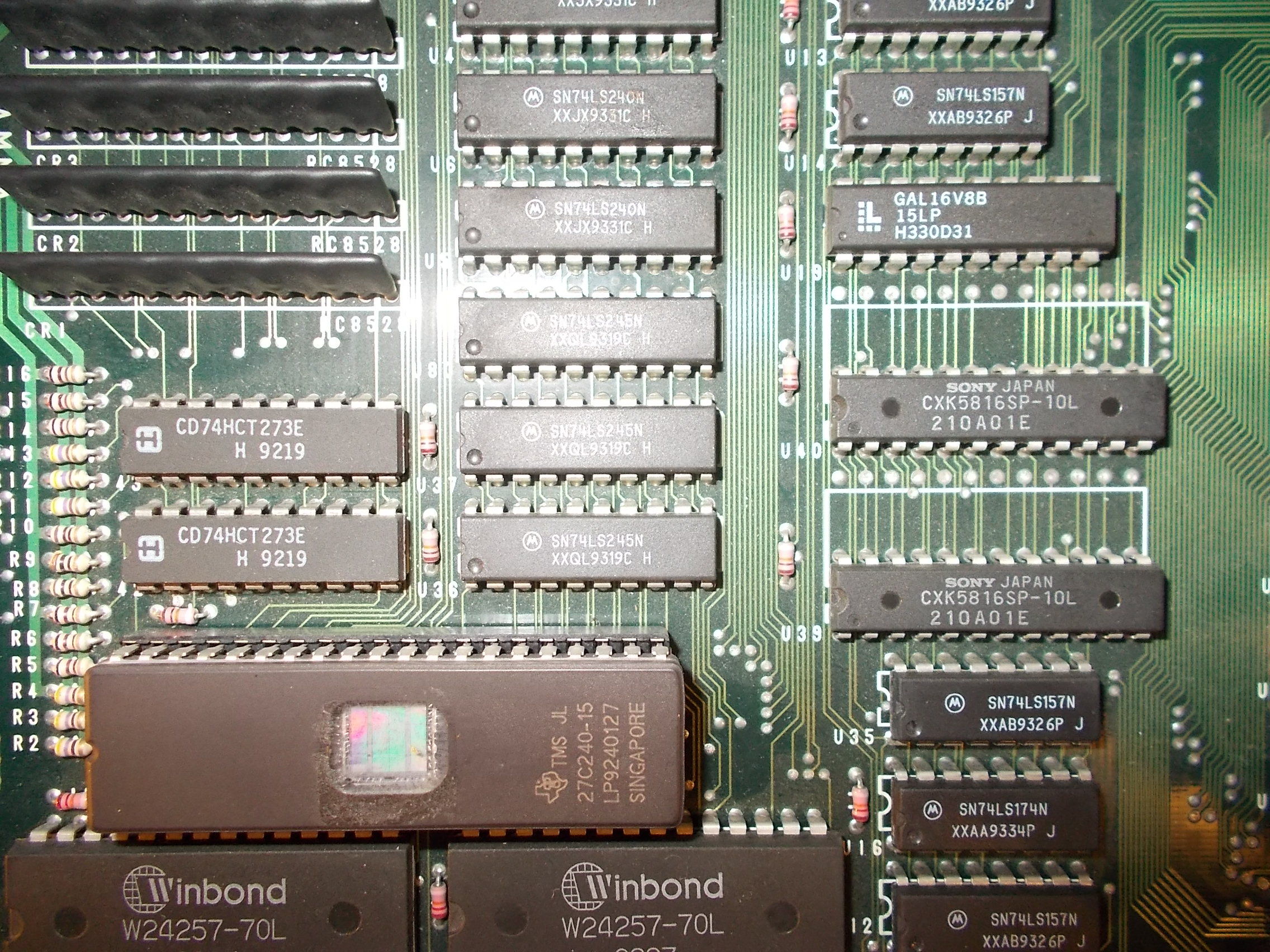
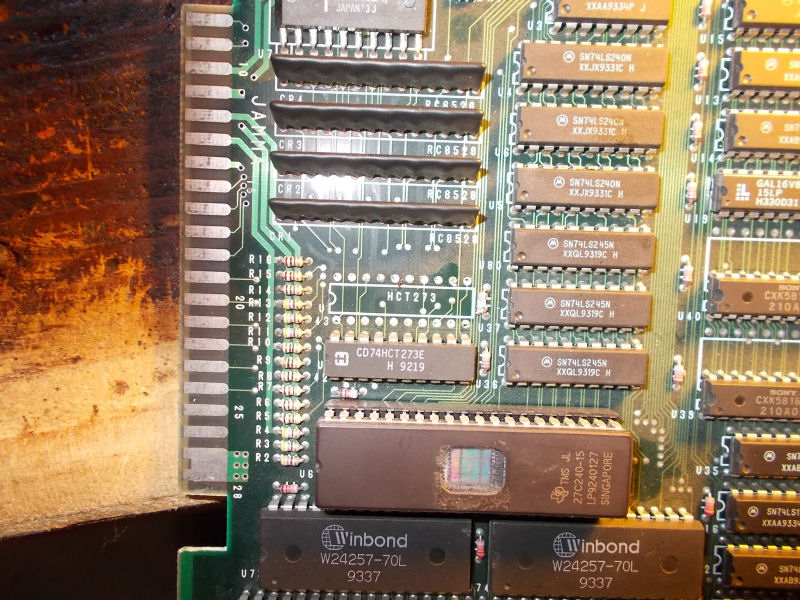
This was a clear sign of some troubles in colors palette circuitry.After studying the hardware, I was able to locate this section by shortcircuting some address/data lines of two CXK5816 SRAMs @U39 and U40 and at the same time observing  color changes on screen:

palette_circutry

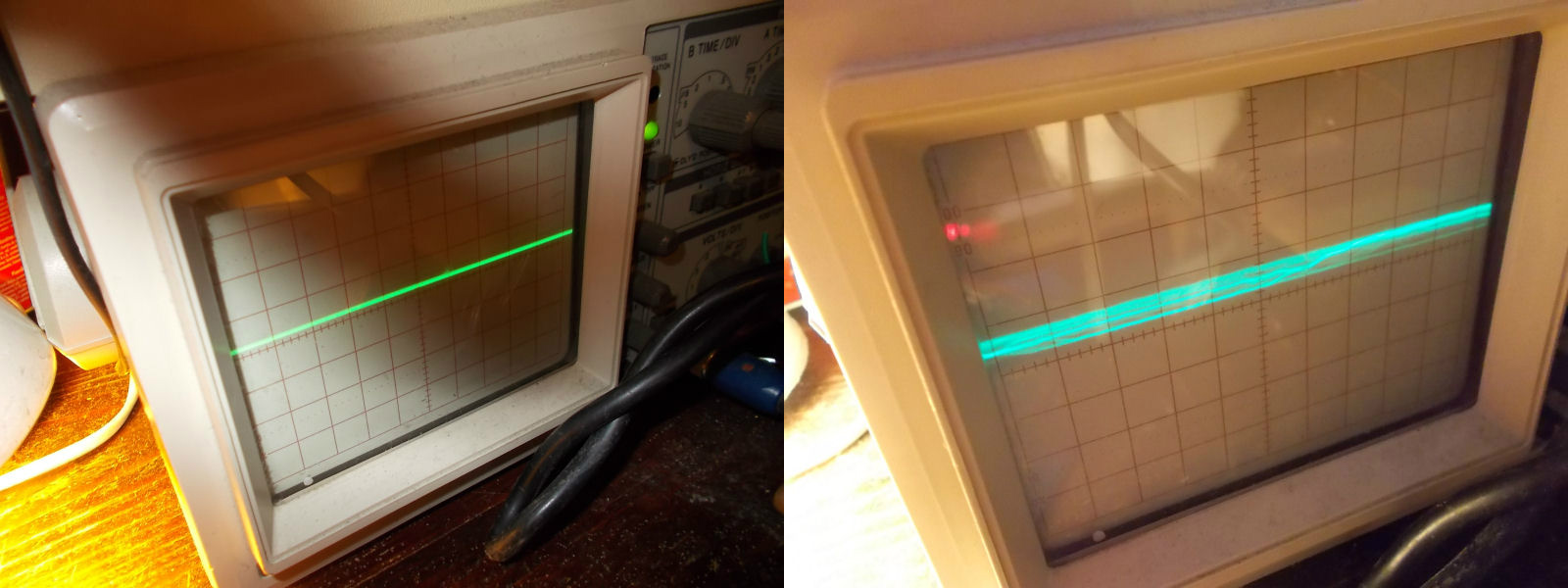
Besides the two mentioned SRAMs, you can see some 74LS245 and two 74HC273 involved in data bus (the first ones in exchanging data from/to the two RAMs, the latter in latching).When  I went to probe the two 74HC273 I found that input pin 13 of the one @U43 was stuck low  and its corresponding output pin 12 showed only weak signals:

74HC274@U43_probing

So confident I went to remove it:

74HC274@U43_removed

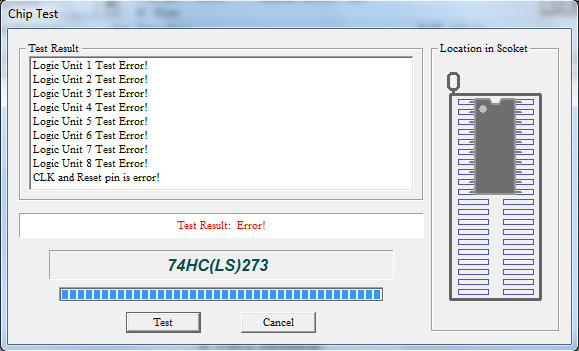
When I tested it out-of-circuit it failed:

74HC273@U43_failed

Once fitted a good IC and powered up again the board, the game played great with no further issues.

fixed

End of job.

 Posted by at 11:27 pm