Juno First repair log #2

 PCB Repair Logs, Repair Logs  Comments Off on Juno First repair log #2
Jun 152014
 

So here is the second repair log.
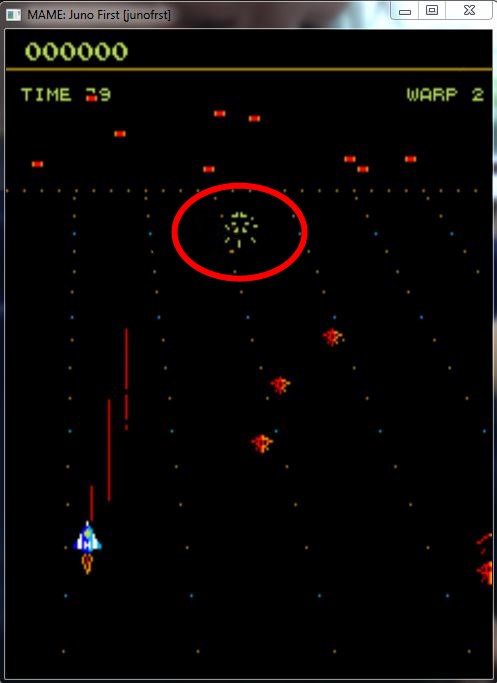
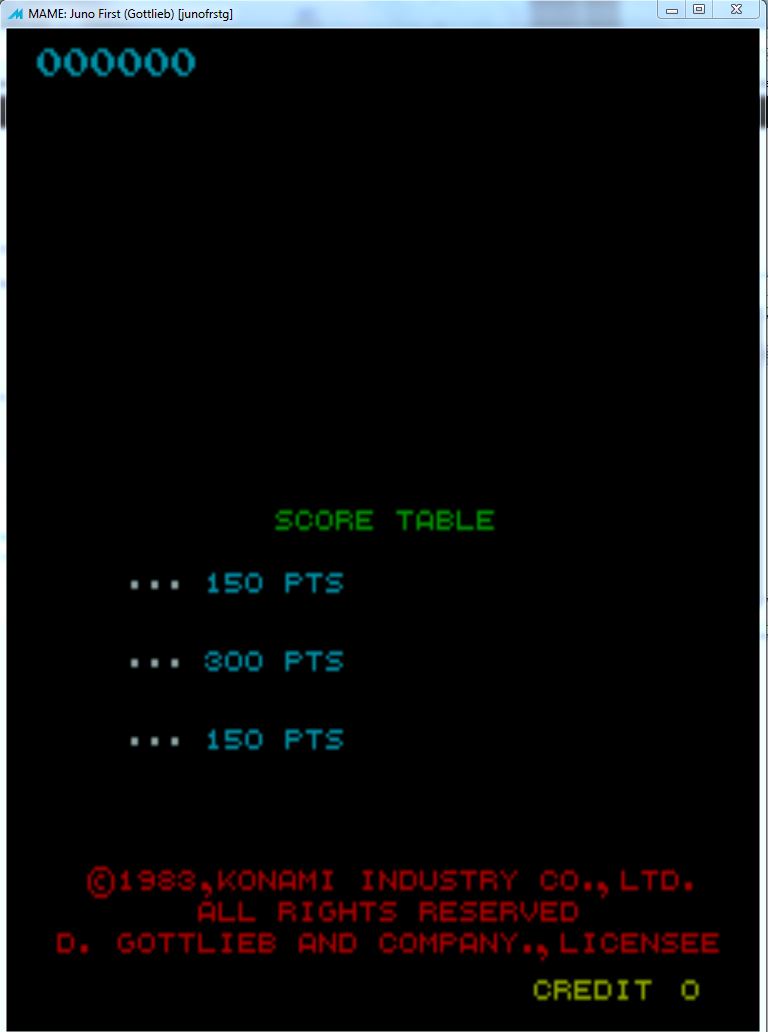
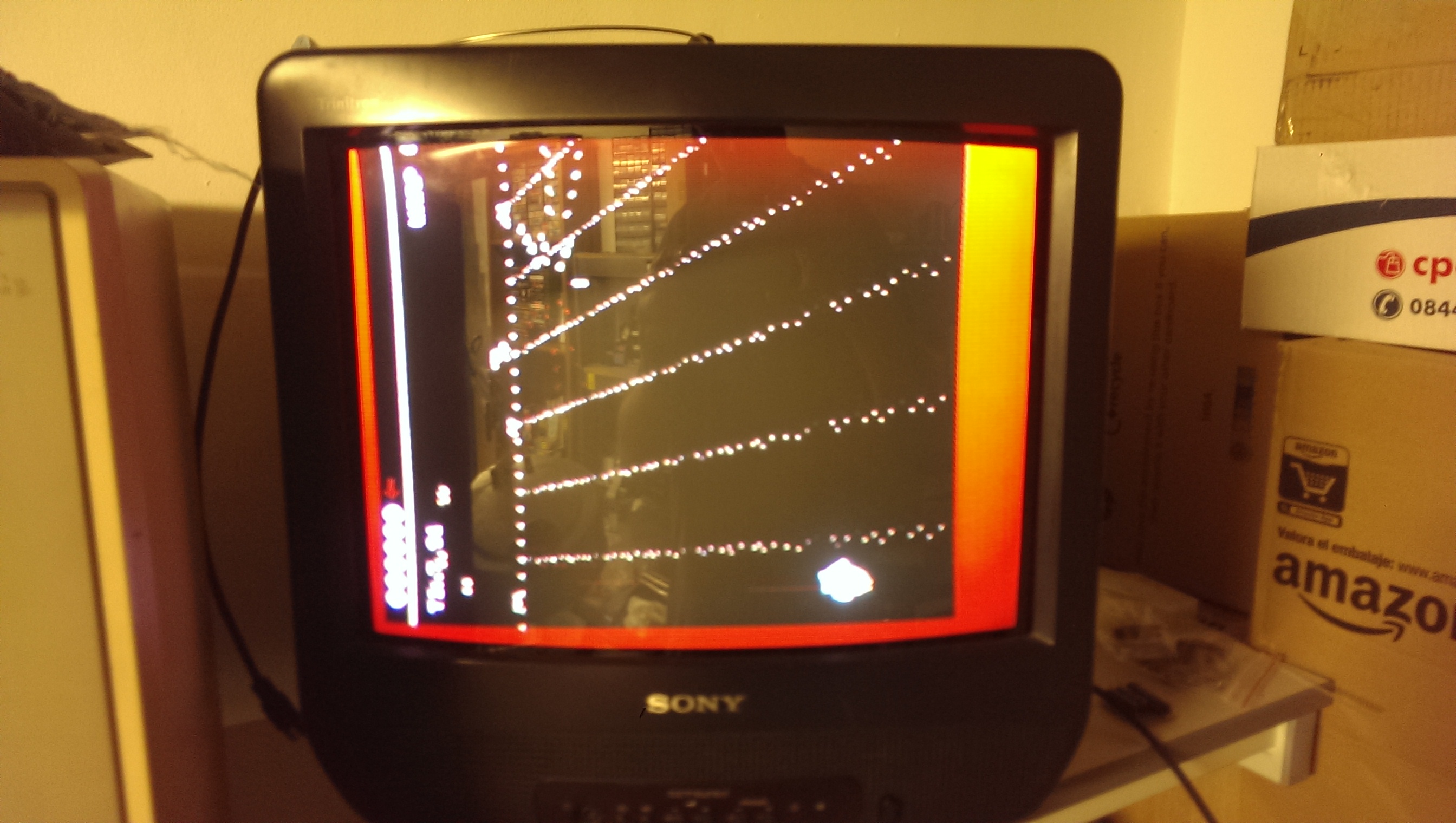
Pretty simple this one but I never took any pictures of the actual fault so Ive taken a snapshot of the event in MAME to show it.

The game plays as normal but when the blue ball enemies spawn into the game the froze up on screen and did nothing as circled in red in the picture below.
juno2

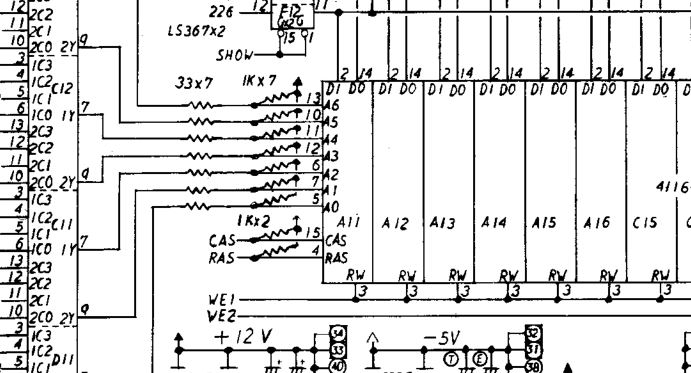
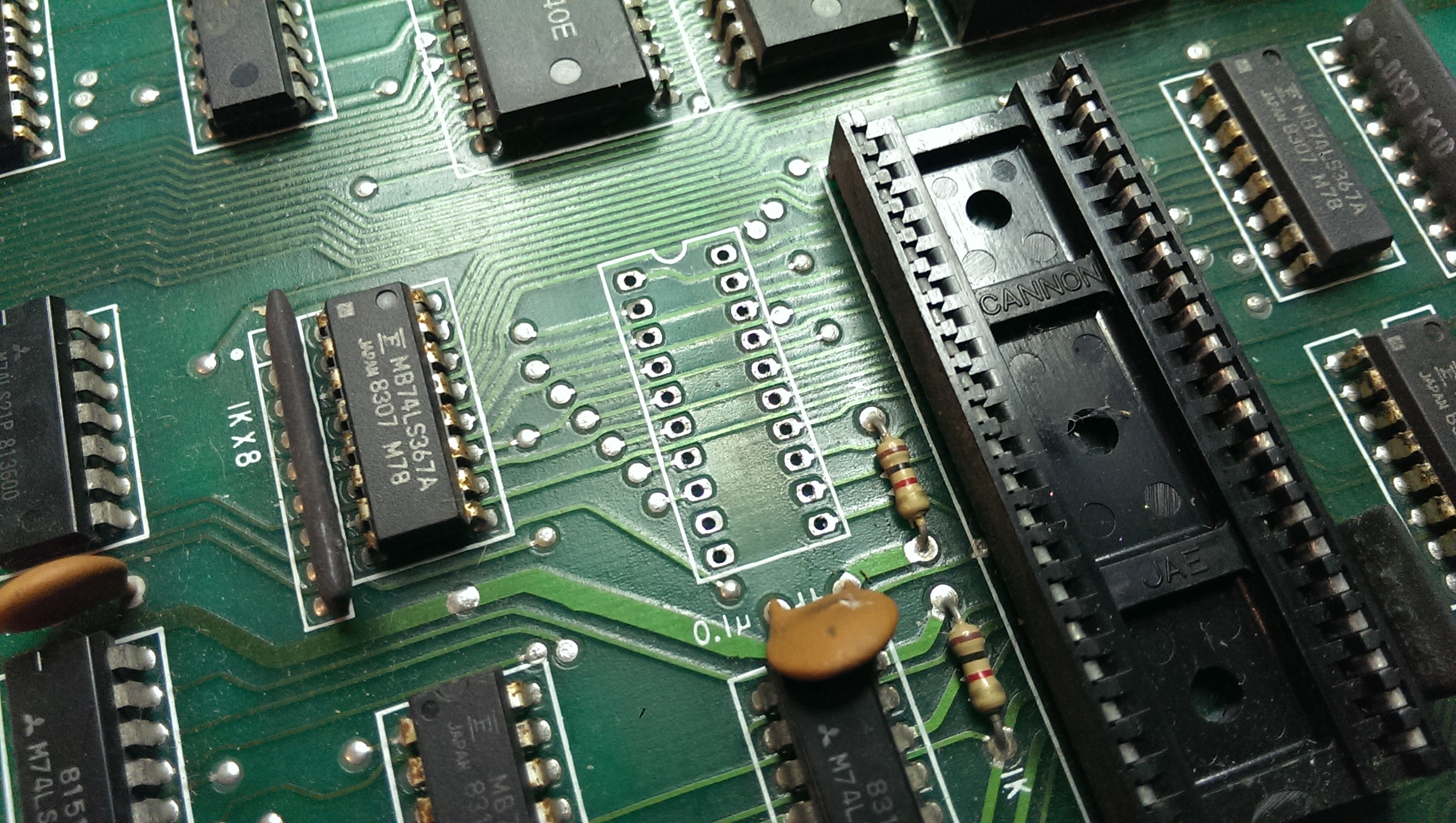
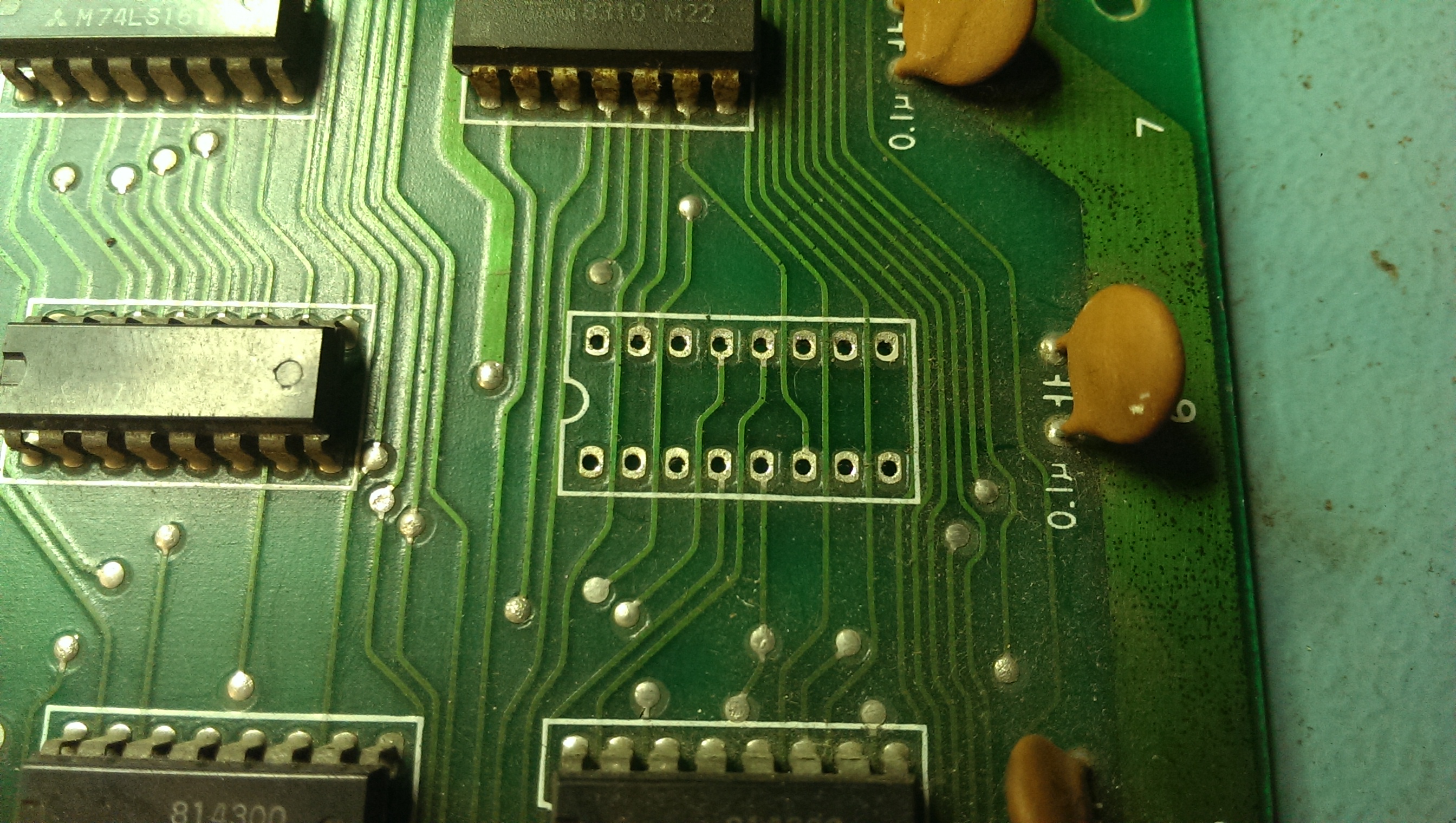
On my visual inspection I noticed a 1K pull up resistor array next to the bank of 4116 RAM chips what cracked in half.
juno2-1

Replacing this fixed the fault.

I did initially think there was another fault as the ship movement in attract mode seemed a bit strange but after checking in MAME this is a characteristic of the non Gottlieb version. In the Gottlieb version this behavior is not present.

Martial Champion PAL dump added

 PAL Updates  Comments Off on Martial Champion PAL dump added
Jun 152014
 

Well, after one month of pause (real life like sucked me..) finally I’ve found a little bit of spare time to do some updates.

So, here is the PAL dump from an original Martial Champion PCB.I can’t test it since the PCB is faulty but there should not been any problem.Please, note that there is also another PAL on the PCB but it’s a 24 pin device (a PAL20L10) so out of my dumping abilities.ASAP I will send the chip to my colleague Porchy in order to dump it.

 Posted by at 4:19 pm

Konami 007644 custom chip

 General, Technical Info  Comments Off on Konami 007644 custom chip
Jun 132014
 

Ive got a board that needs a new 007644 custom chip.
While im waiting to find a new one I thought I would investigate how this chip actually works.

Pin 1 = SEL – changes whether the Q outputs require a rising edge clock or not.
Pin 2 = OEY – Output enable for the Y outputs else they are inputs. Active LOW
Pin 21 = OEQ – Output enable for the Q (clocked) outputs else they are inputs. Active LOW
Pin 12 = CLK – Clock input

Pins 3-10 = Y outputs – normal outputs. If OEY is LOW these pins become outputs mirroring the state of the Q input pins. SEL and CLK pins are not used in this mode.

Pins 13-20 = Q outputs – clocked outputs. If OEQ is LOW these pins become outputs. If SEL is HIGH and CLK is HIGH these outputs will mirror the state of the Y inputs. If SEL is LOW then the outputs will only change state on a rising edge CLK.

Pretty simple and should be easy to implement in a small CPLD if ever required (next project???)

Turtles in Time & Quiz Gakumon No Susume PALs added

 PAL Updates  Comments Off on Turtles in Time & Quiz Gakumon No Susume PALs added
Jun 072014
 

coolmod sent me a couple of PAL chips he wanted dumped.
They are both 24 pin devices but as my PAL dumper supports them it wasnt too much effort.

This means we have both PAL dumps from Turtles in Time now.
Ive never heard of the Quiz game before but its nice to have dumped too.

Credits: coolmod

 Posted by at 7:13 pm
Jun 062014
 

This is hopefully one of five Juno First repair logs.
Thanks (I think) to muddymusic I have a stack of these needing repaired. There are two originals and three bootlegs altogether and decided to make a start on the originals first.

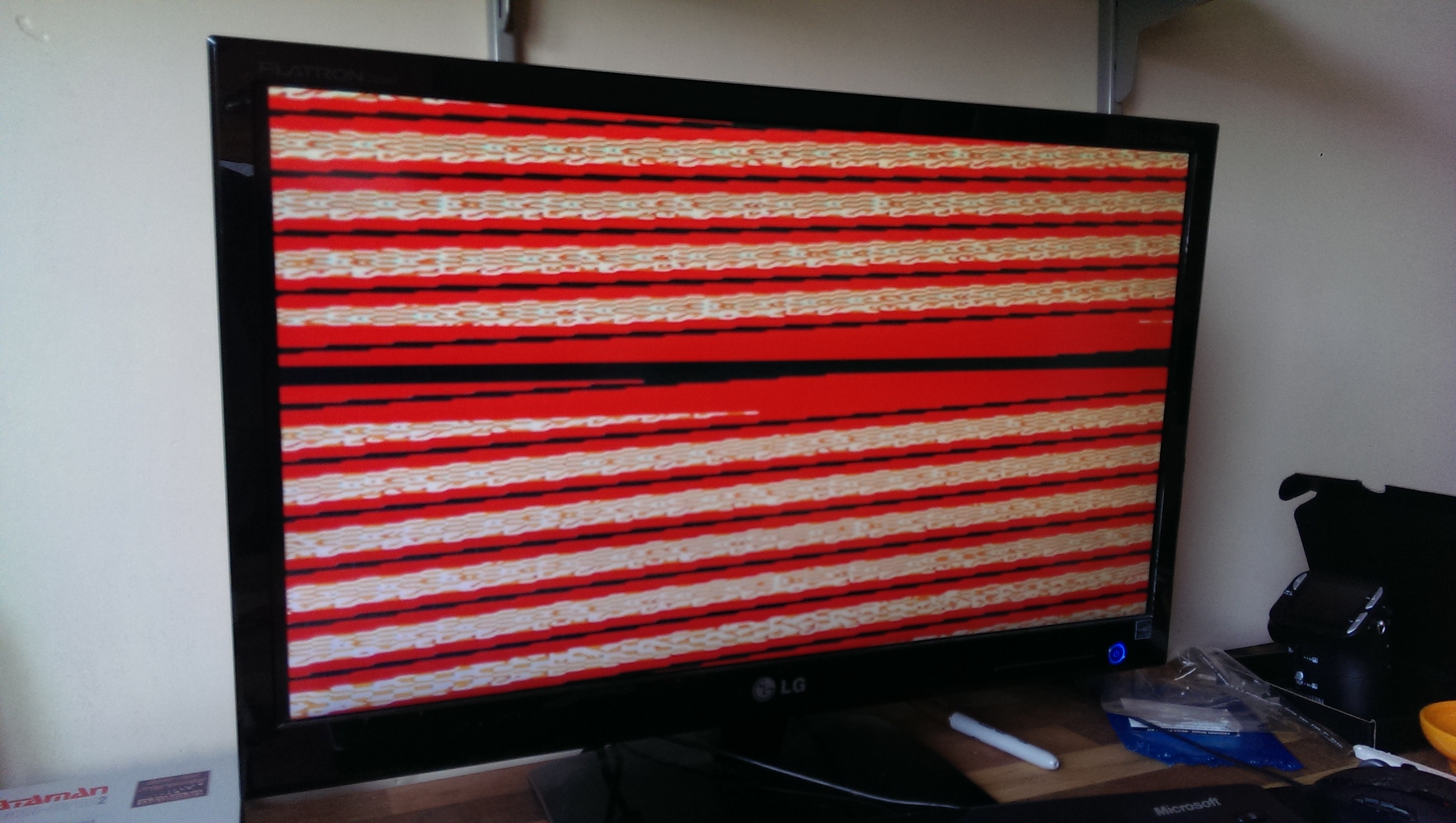
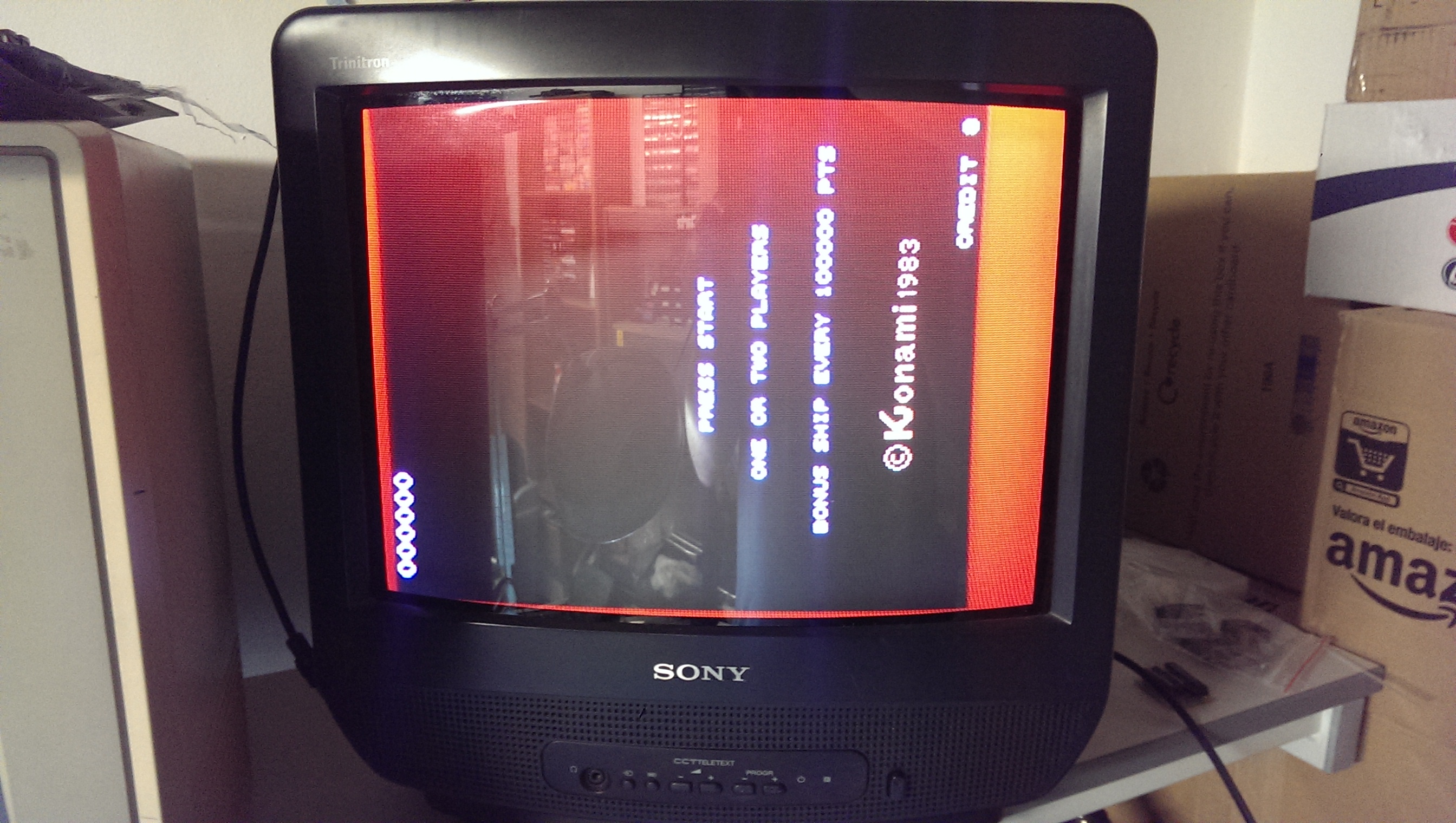
This one booted to an unsynced red picture.

Looking at the schematics I could see that the sync is generated by custom chip 082 at location EF13 on the bottom PCB.
Swapping this chip with the one from the other board set brought the sync back. That’s bad news for original board set #2.

So now I just had a red screen with nothing going on.
It was at this point that I learned this hardware uses a custom 6809 CPU known as Konami-1. I was originally going to try and borrow a 6809 pod for the Fluke but that put a swift end it that idea.
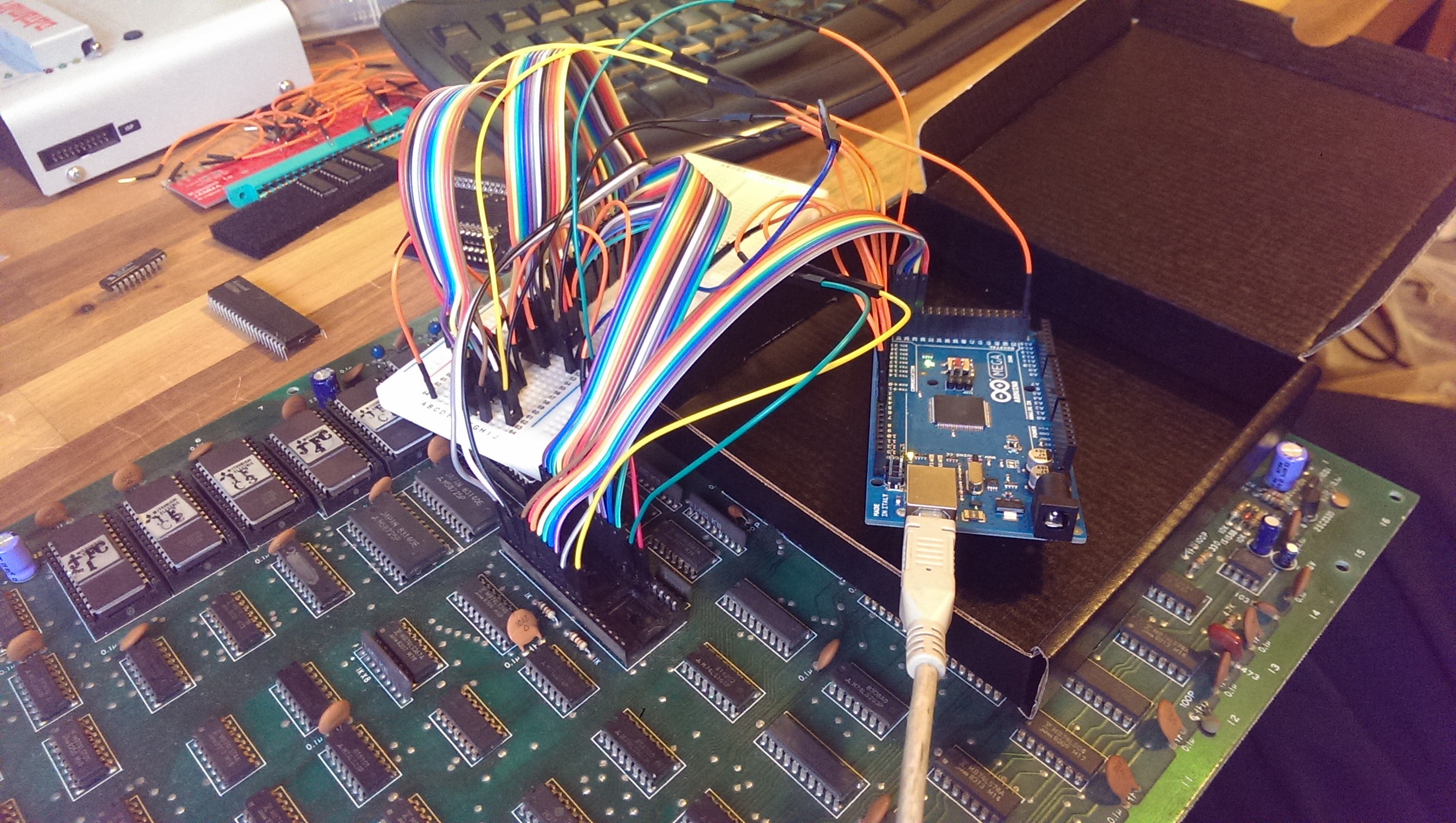
Now’s the perfect time to use my beloved Arduino again.
By hooking it up to the address, data, RW, BA and BS lines I wrote a program that would read the program ROM’s back and display the data as well as a bitsum for the ROM.
It worked really well and found my second issue.

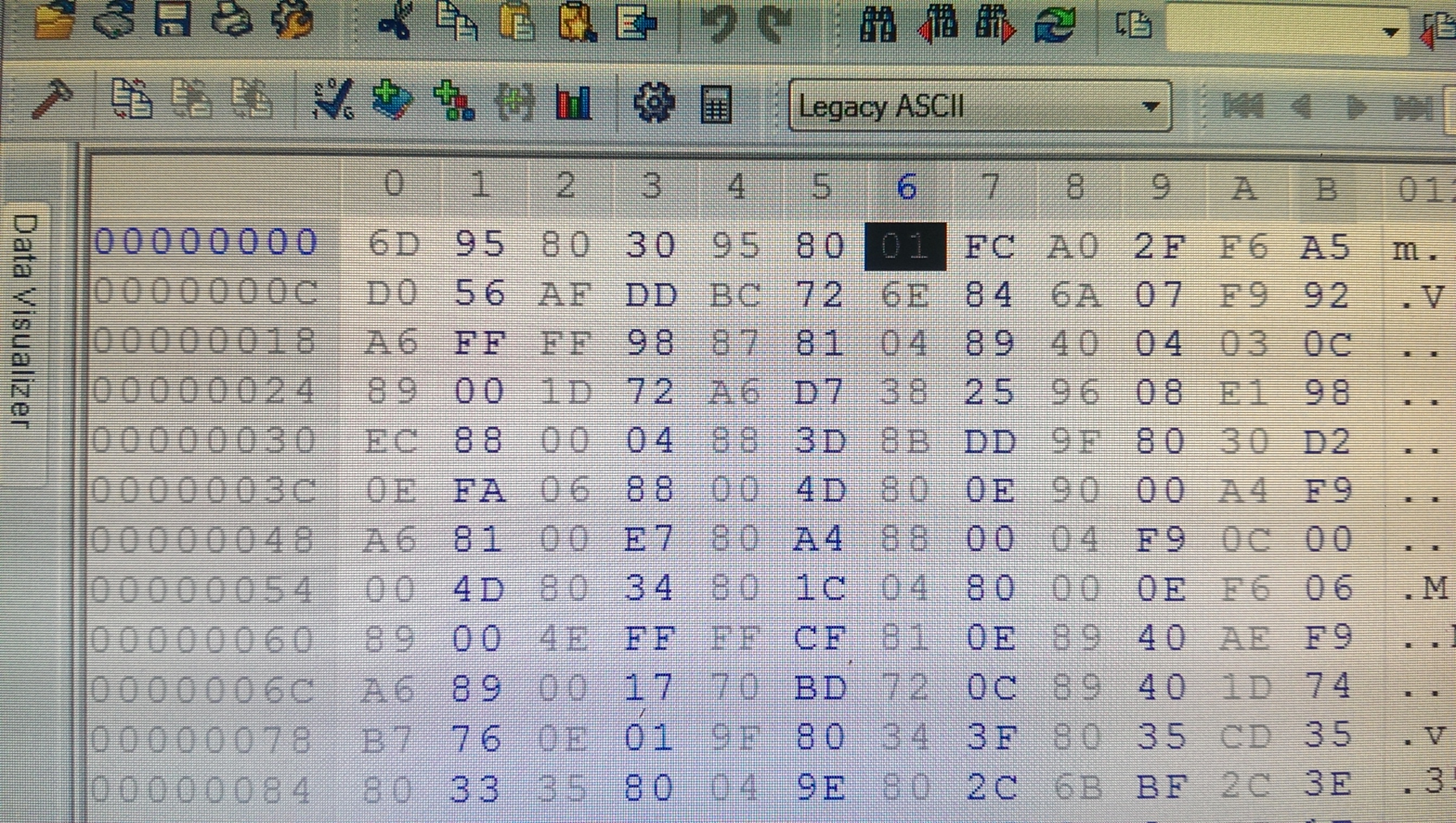
This is the original HEX file

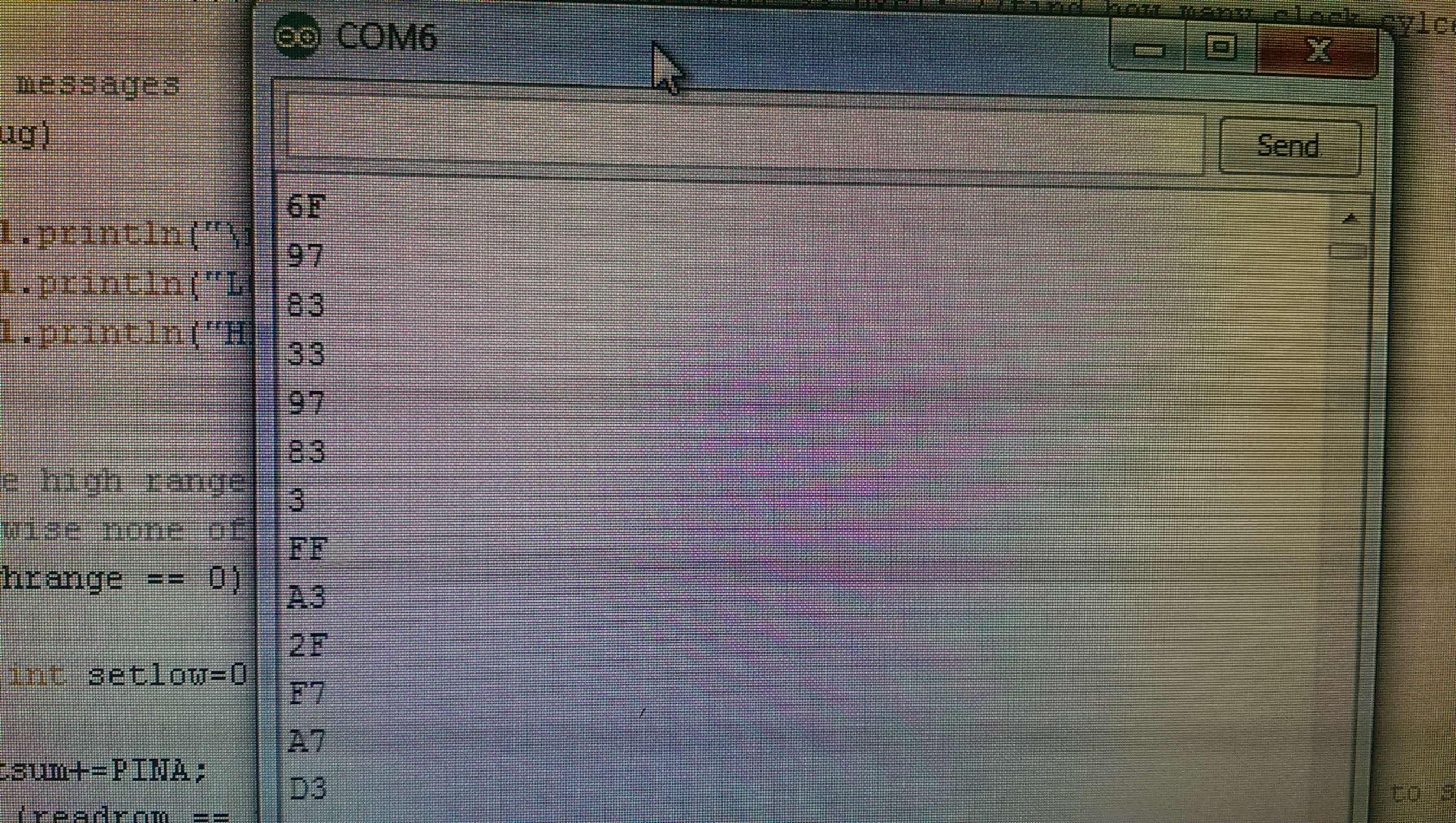
and here is what I was actually reading on the board

You can see that bits 0 and 1 are always on.

So the 74LS245 at location D7 on the lower PCB had a two stuck pins on D0 and D1.

Replacing this enabled me to read all the program ROM’s correctly.
I had at this point wanted to be able to test RAM too but due to the timings required and not knowing how those custom chips worked I left it alone.

So now I have a booting game but all the sprites and title screen graphics are missing.

First thing I did was see if I could replicate the fault in MAME.
By creating empty files to replace ROM’s 7C, 7D and 7E on the top PCB I got the exact fault.

Checking those EPROM’s with the probe revealed that none of the chips were ever being enabled.
Following the schematics back to where the ROM selection lines are generated I came to a 74LS273 at location 6D on the upper PCB. Pin 11 is the clock pin for this chip and I would expect it to be pulsing but it was stuck HIGH. Following the /SSEL line back to the lower PCB led me to a 74LS138 at location I6.

This had pulsing inputs but either stuck HIGH outputs or floating pins. Replacing this chip gave me the graphics back.

That’s one down.